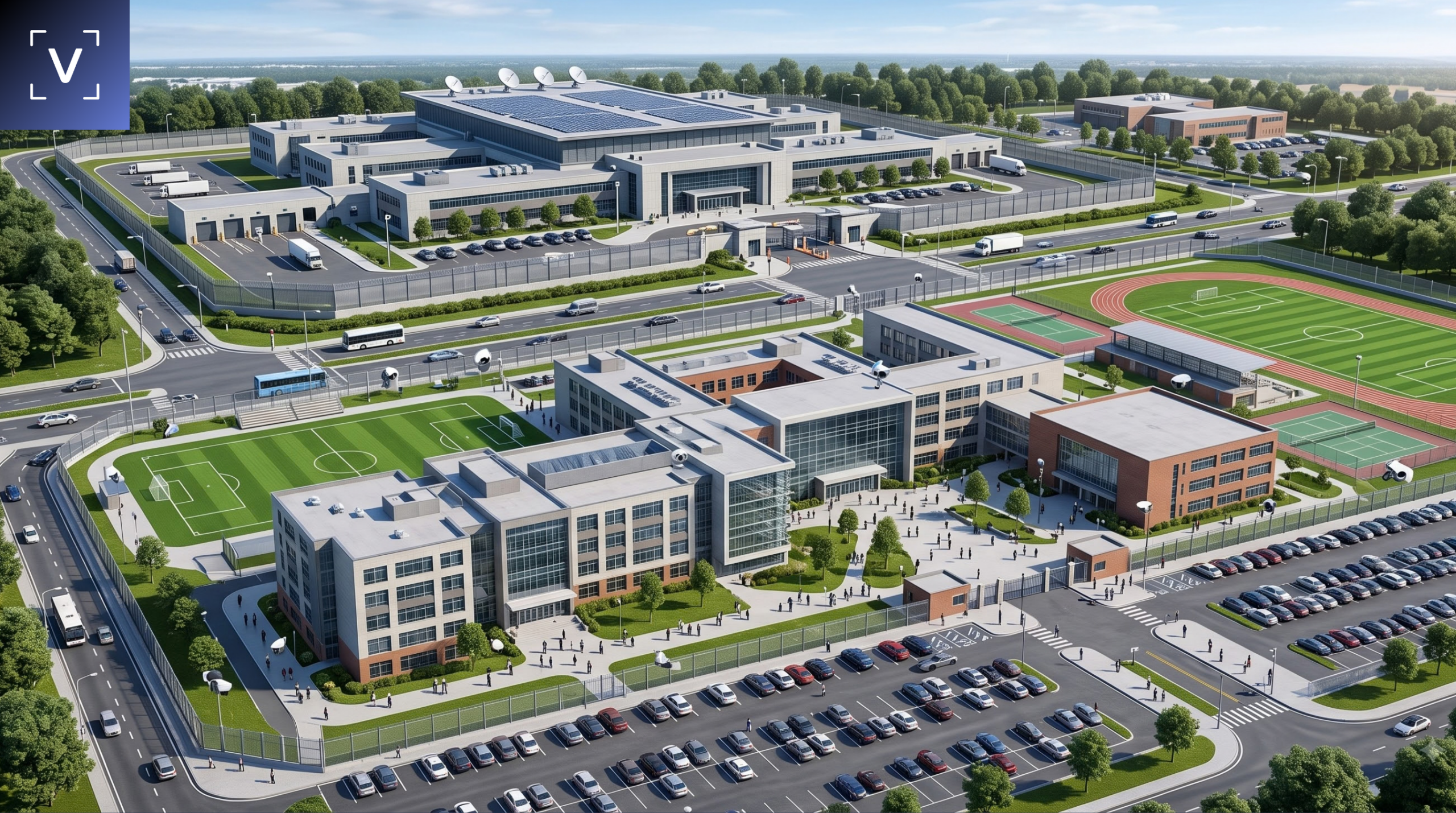




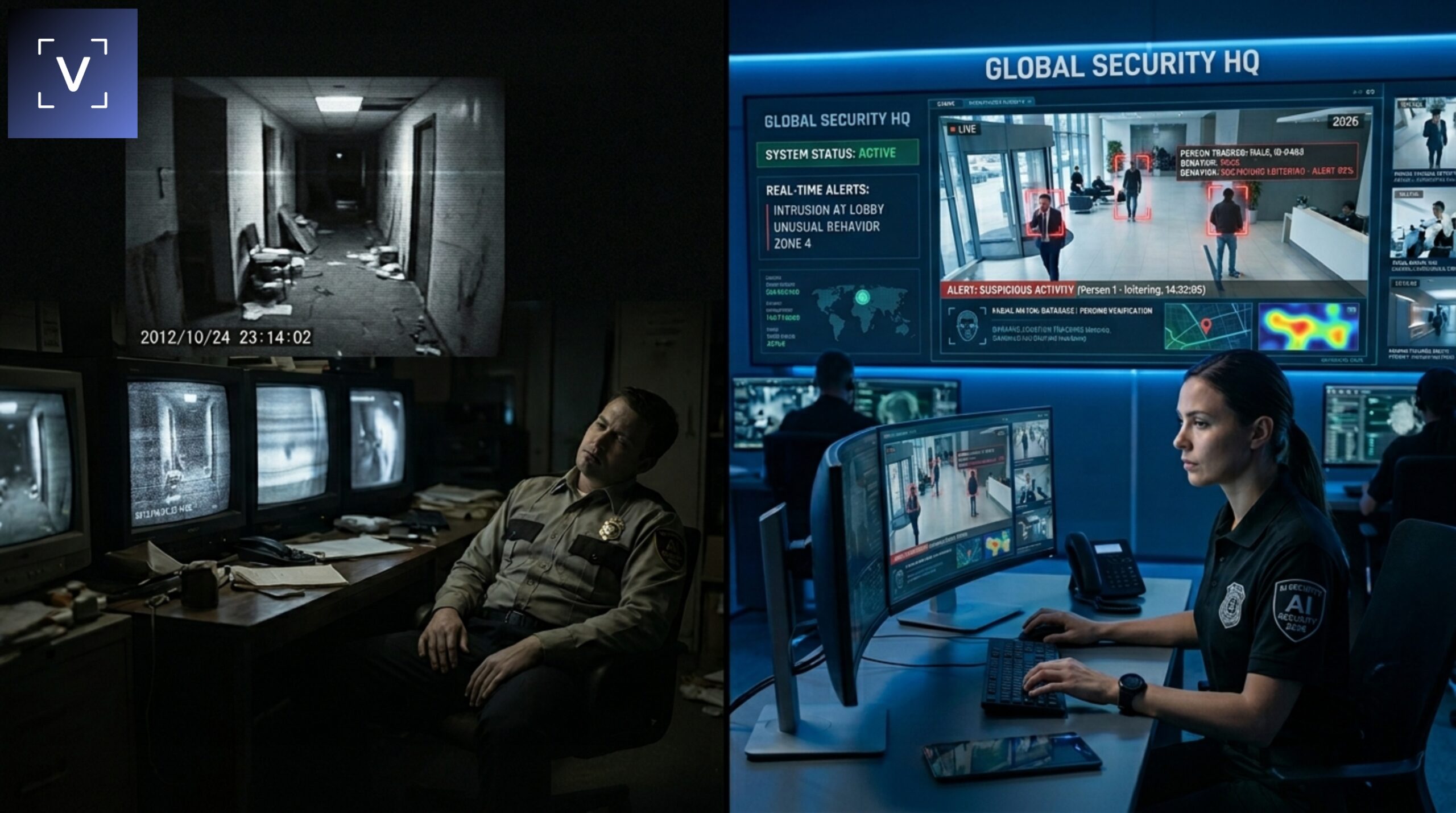
For many years, traditional CCTV systems operated on a straightforward premise: install cameras, record footage continuously, and review recordings only after an incident has occurred. This “set it and forget it” method was once deemed adequate for businesses, industrial sites, retail outlets, schools, and commercial properties.
However, by 2026, the expectations for security have shifted dramatically.
Organizations now confront more complex threats, larger and more dispersed operational areas, and increasing demands for immediate visibility and quicker incident responses. Passive surveillance systems that merely record video are no longer sufficient to address today’s security challenges.
Modern enterprises require intelligent monitoring solutions that can proactively detect threats, reduce response times, and enhance operational insight across multiple locations simultaneously.
Consequently, conventional CCTV systems are rapidly being replaced by smart video monitoring technologies powered by advanced analytics, automated alerts, remote surveillance, and centralized management.
Today’s surveillance is no longer just about capturing footage; it focuses on preventing incidents before they happen.
Conventional CCTV was primarily designed for passive video capture.
Typically, footage was reviewed only after events such as the following:
This reactive approach introduced several operational challenges, including:
For organizations managing multiple sites or expansive facilities, manually watching camera feeds became inefficient and increasingly difficult.
As security threats evolved, businesses recognized that merely recording events was no longer enough.
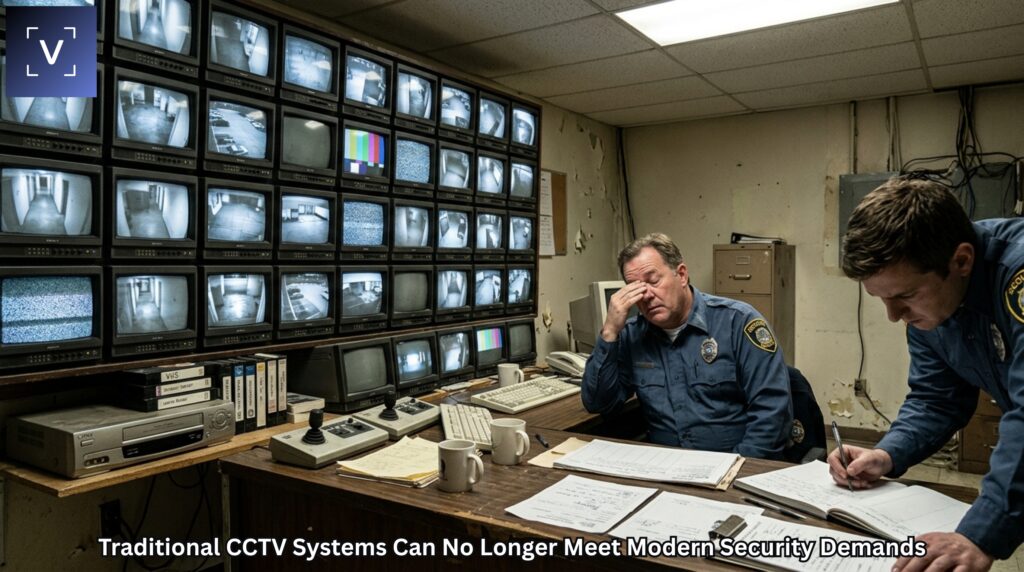
Surveillance technology is evolving beyond passive recording into intelligent security platforms.
Intelligent video monitoring integrates:
Unlike traditional CCTV, smart monitoring systems continuously analyze live video streams and automatically detect unusual or potentially risky activities.
These platforms can identify:
When a threat is detected, alerts are sent immediately to monitoring personnel or security teams for rapid action.
This proactive approach significantly enhances security effectiveness and operational awareness.
Organizations across sectors are adopting intelligent surveillance because it offers superior security and operational benefits.
One of the greatest advantages of intelligent video monitoring is instant situational awareness.
Instead of waiting for incidents to unfold, businesses can spot suspicious behaviors immediately and respond more quickly.
This reduces risks like the following:
Many companies operate across numerous locations, making traditional security management complex.
Intelligent platforms enable organizations to:
Centralized monitoring improves operational efficiency and lessens reliance on manual observation.
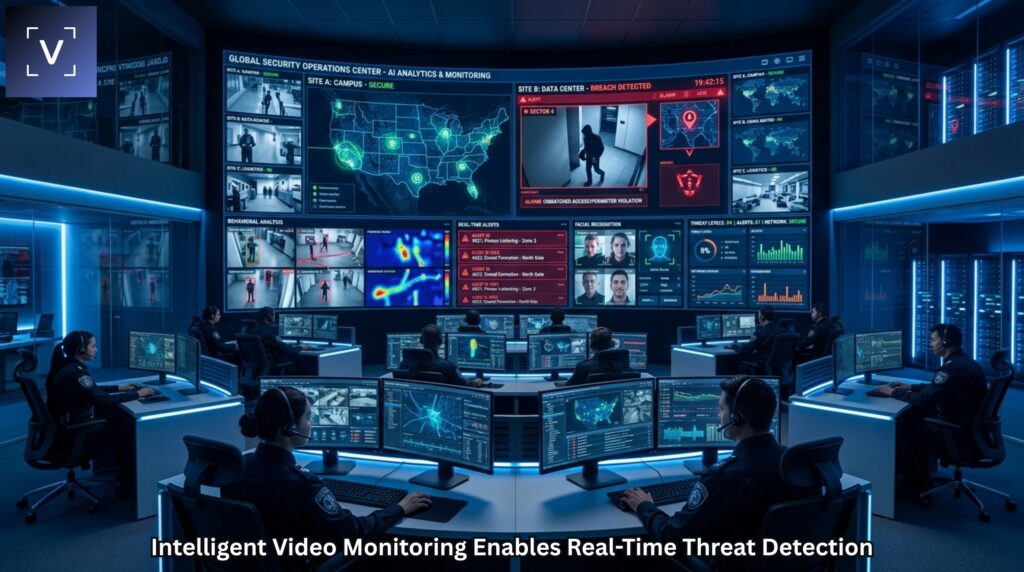
Conventional systems often produce many false alarms, requiring tedious manual footage reviews.
Smart analytics reduce false positives by accurately distinguishing real threats.
They also facilitate investigations by offering:
This speeds up responses and reduces the time spent on investigations.
Today, surveillance supports more than just security.
Companies use intelligent monitoring to:
Surveillance is evolving into a valuable operational intelligence tool.
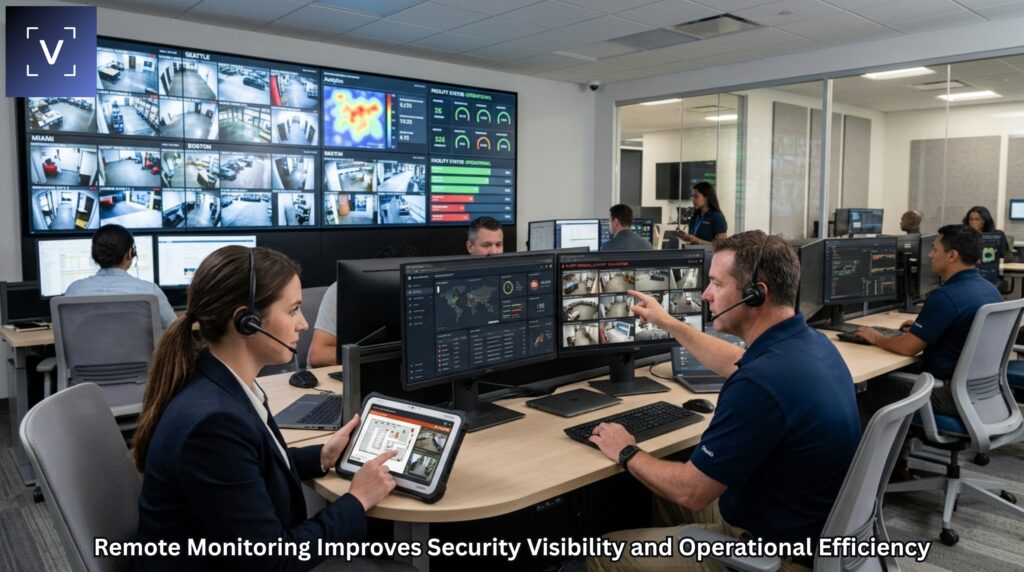
Remote video monitoring is becoming central to modern security strategies.
By pairing intelligent analytics with centralized monitoring teams, businesses maintain continuous oversight without full dependence on on-site guards.
Remote monitoring helps organizations:
This hybrid approach enhances both security outcomes and operational effectiveness.
Security technology continues advancing as companies adopt smarter, more connected environments.
Looking ahead, surveillance strategies will emphasize:
Organizations no longer invest in systems that simply record footage. They expect platforms that deliver proactive protection, real-time awareness, and actionable operational insights.
The age of “set it and forget it” CCTV is quickly drawing to a close.
Traditional systems that only capture footage can no longer meet the growing security and operational demands faced by modern organizations.
Intelligent video monitoring replaces passive recording with proactive threat detection, centralized visibility, faster incident response, and improved operational insight.
By integrating advanced analytics with remote monitoring, businesses strengthen security, boost efficiency, and better protect people, assets, and infrastructure in 2026 and beyond.