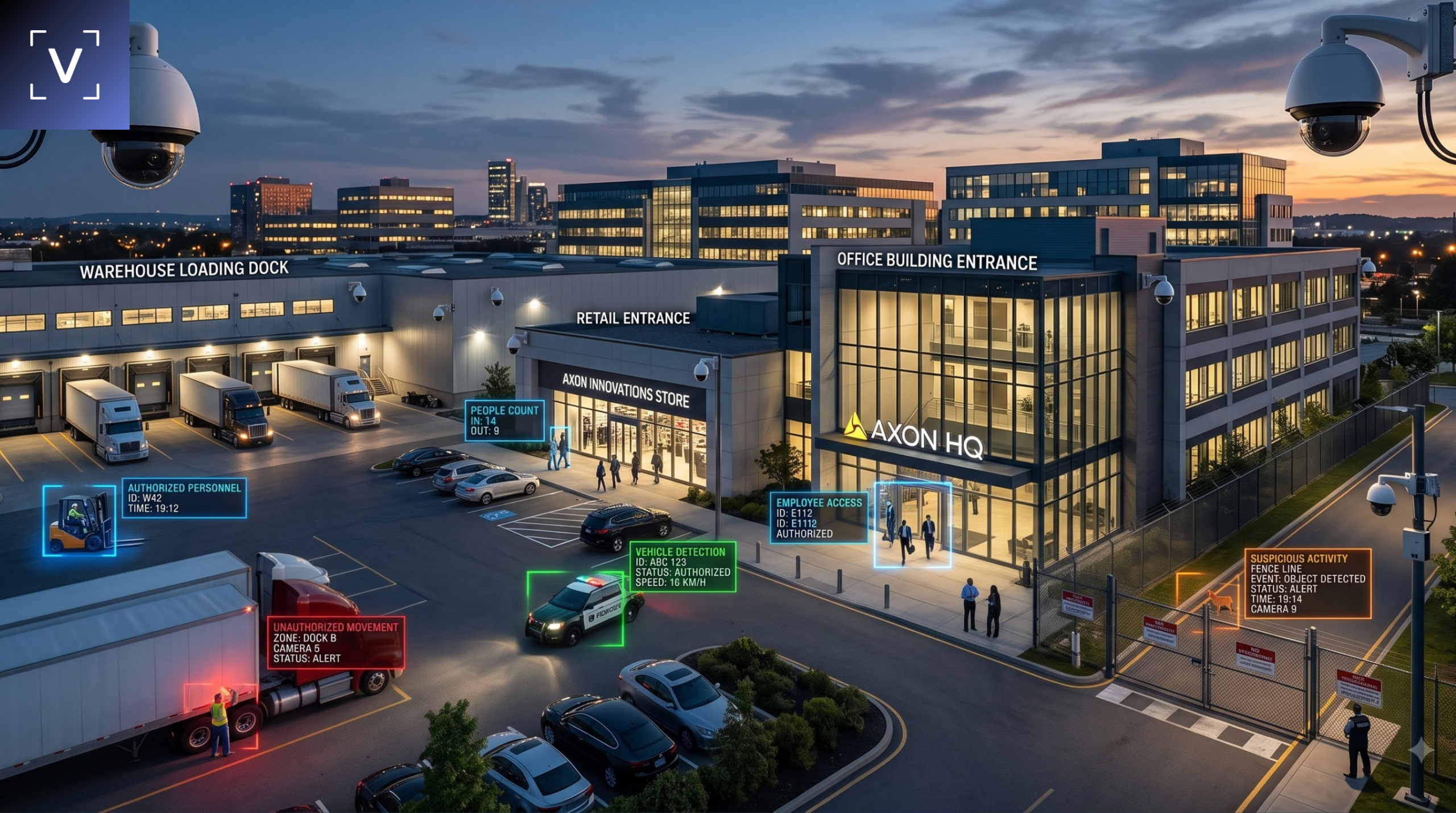



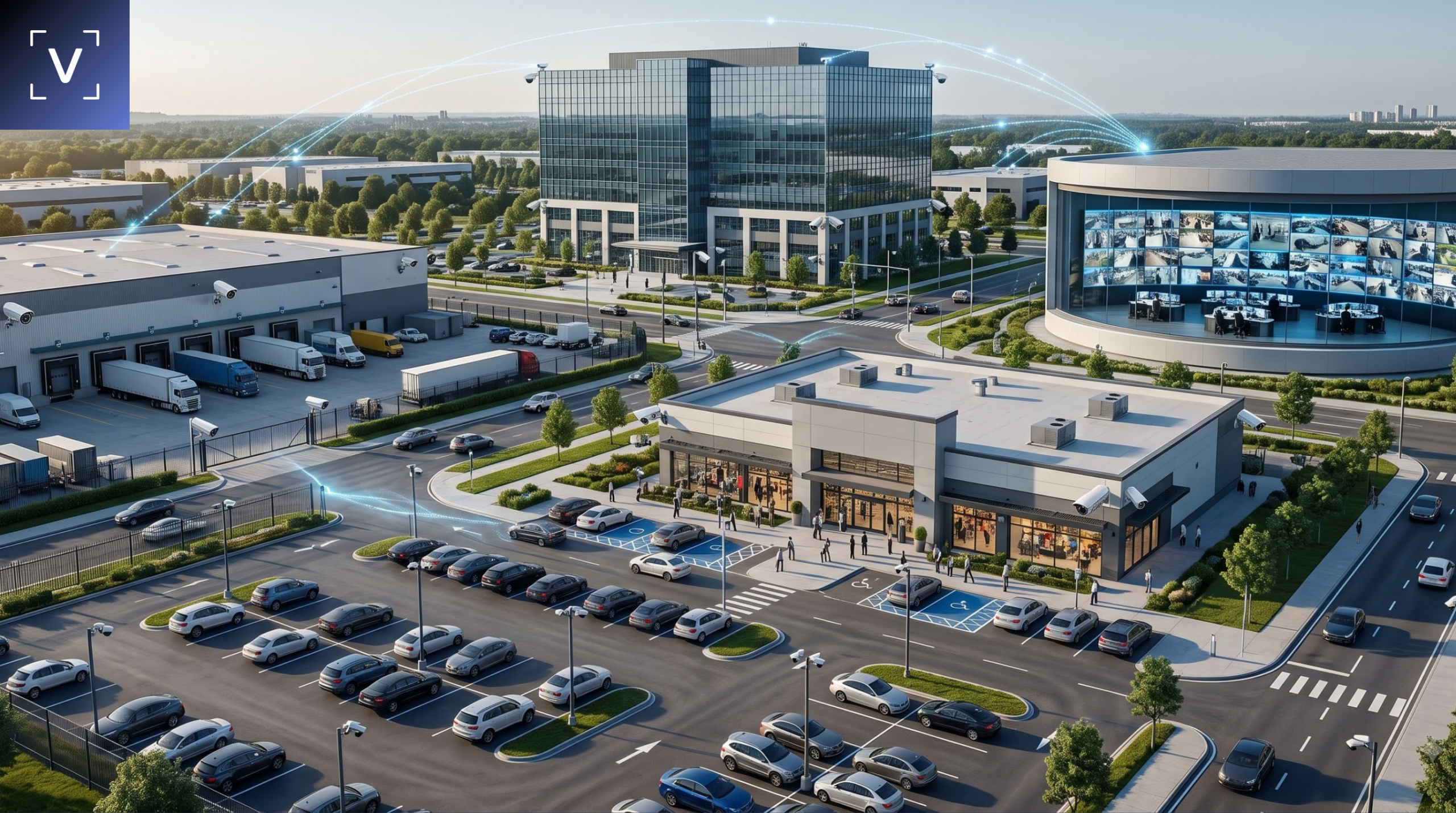
Managing security across multiple business locations is very different from protecting a single facility. A company operating 10, 50, or 100 sites may have hundreds of cameras, separate recording systems, different maintenance requirements, and security teams trying to access footage from different locations.
That is where the difference between VSaaS and traditional CCTV becomes important. Video Surveillance as a Service (VSaaS) moves video management and storage into the cloud, while traditional CCTV typically relies on local DVRs, NVRs, or servers at each site.
For multi-site businesses, the decision affects scalability, remote access, maintenance, bandwidth, storage, and long-term operating costs.
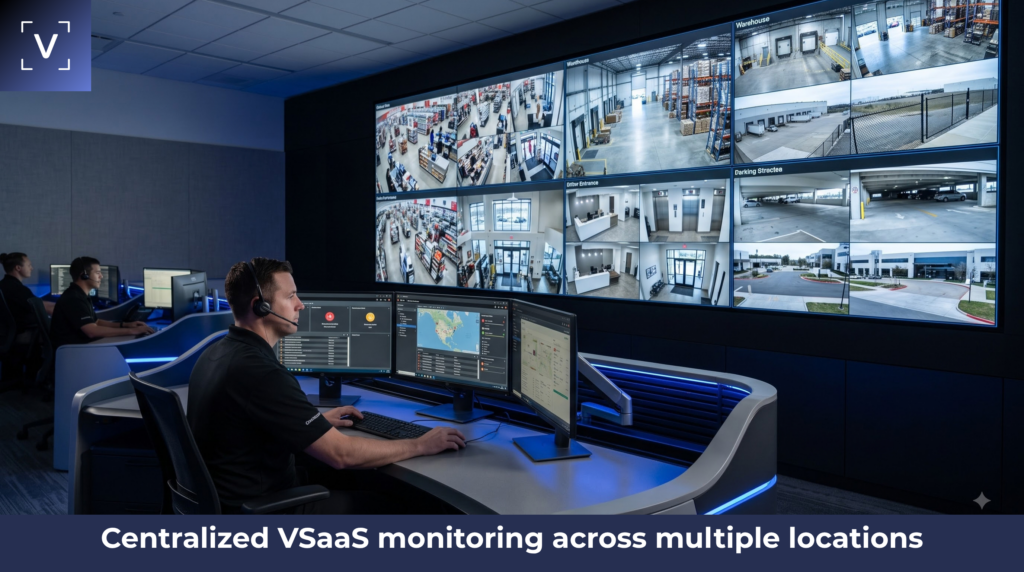
VSaaS, or Video Surveillance as a Service, is a cloud-based surveillance model where video is managed through a provider’s cloud platform. Security teams can access live and recorded footage through centralized dashboards rather than managing separate systems at every location.
For businesses with multiple sites, centralized management can make it easier to monitor locations, investigate incidents, manage users, and maintain consistent security policies.
Traditional CCTV, by comparison, generally stores footage on local NVRs, DVRs, or servers. Each location may require its own hardware, storage, maintenance, and system administration.
The biggest challenge with traditional systems is not necessarily the cameras. It is managing the infrastructure behind them.
A company with 30 locations may need to maintain recording hardware, storage, software, and security configurations across those sites. Expanding the system can also require additional hardware and installation work.
VSaaS can centralize much of this management. Software updates, cloud infrastructure, and storage are typically handled by the provider, reducing the amount of surveillance infrastructure that internal teams need to maintain.
The right model depends on the number of locations, connectivity, security requirements, and existing infrastructure.
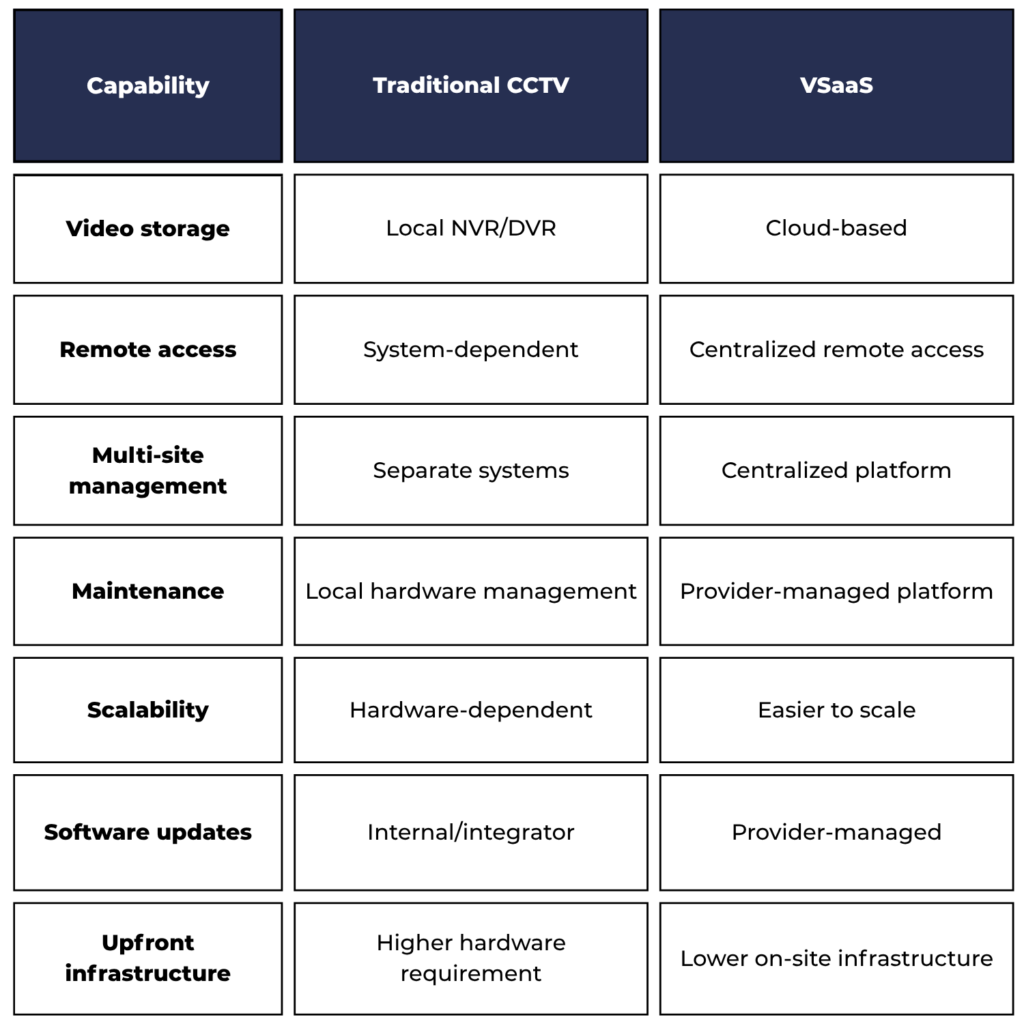
VSaaS can simplify multi-site management, but it also introduces considerations such as internet connectivity, bandwidth, subscription costs, and cloud storage requirements. Traditional systems can continue recording locally when connectivity is unavailable, while fully cloud-dependent architectures may require additional design considerations for network interruptions.
Traditional CCTV generally requires more upfront investment in NVRs, servers, storage, and supporting infrastructure. VSaaS shifts more of the expense toward recurring subscription and service costs.
This can make VSaaS attractive when a business is expanding quickly because additional cameras and locations can be added without building an entirely new server infrastructure at every site. However, businesses should evaluate subscription, storage, bandwidth, and retention costs over the expected system lifetime rather than comparing upfront costs alone.
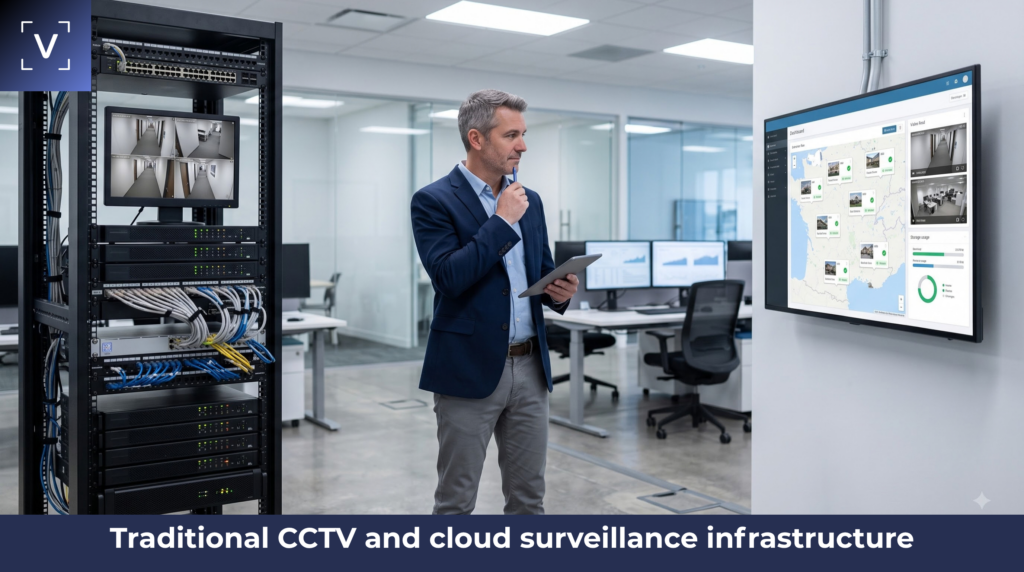
Traditional CCTV is not disappearing.
Businesses with reliable local infrastructure, limited internet connectivity, strict data-retention requirements, or substantial existing investments in NVRs and servers may continue using on-premise systems.
A hybrid architecture can also combine local recording with centralized cloud management, giving businesses local resilience while allowing security teams to manage multiple locations remotely.
Before moving from traditional CCTV to VSaaS, security and IT teams should evaluate:
The best architecture is therefore not determined by cloud versus local storage alone. It depends on how the business operates and how much infrastructure it wants to manage internally
For multi-site businesses, VSaaS provides a centralized approach to video surveillance that can simplify remote access, maintenance, and expansion. Traditional CCTV continues to offer local control and recording resilience, particularly where connectivity or data requirements make cloud-only deployment difficult.
In 2026, businesses evaluating security surveillance systems should look beyond the camera itself and consider the entire operating model: infrastructure, management, scalability, storage, connectivity, and long-term cost.