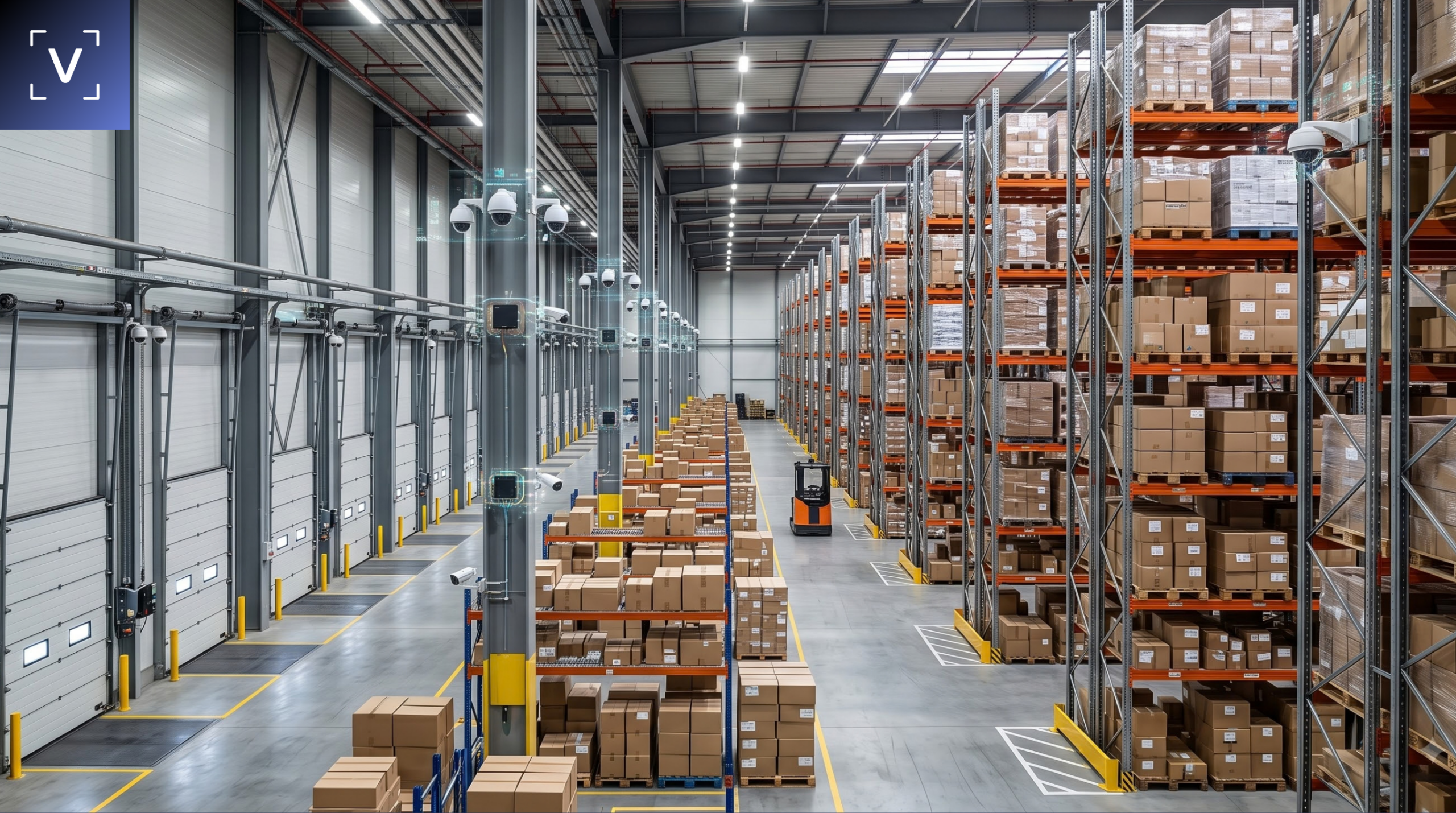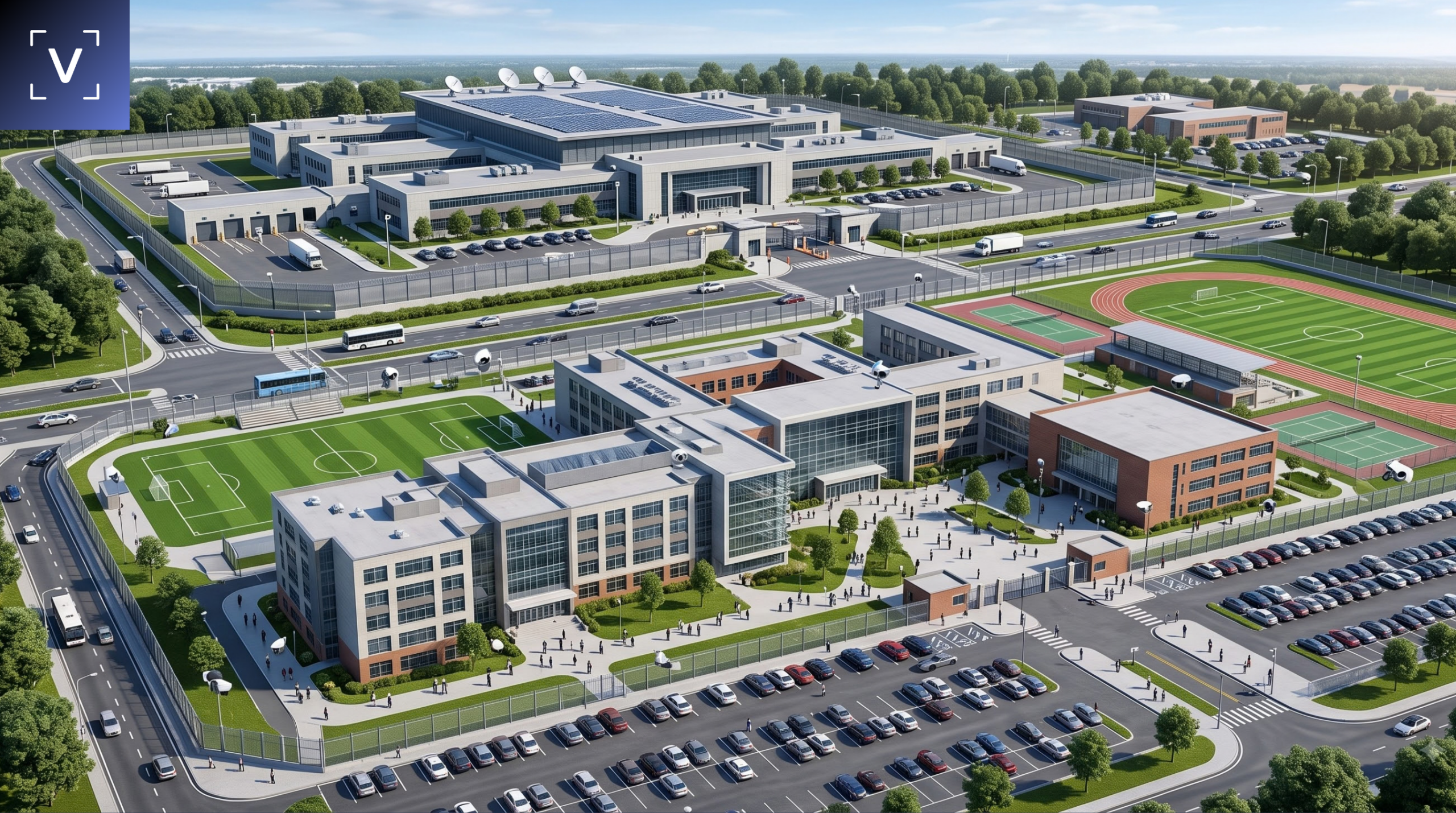


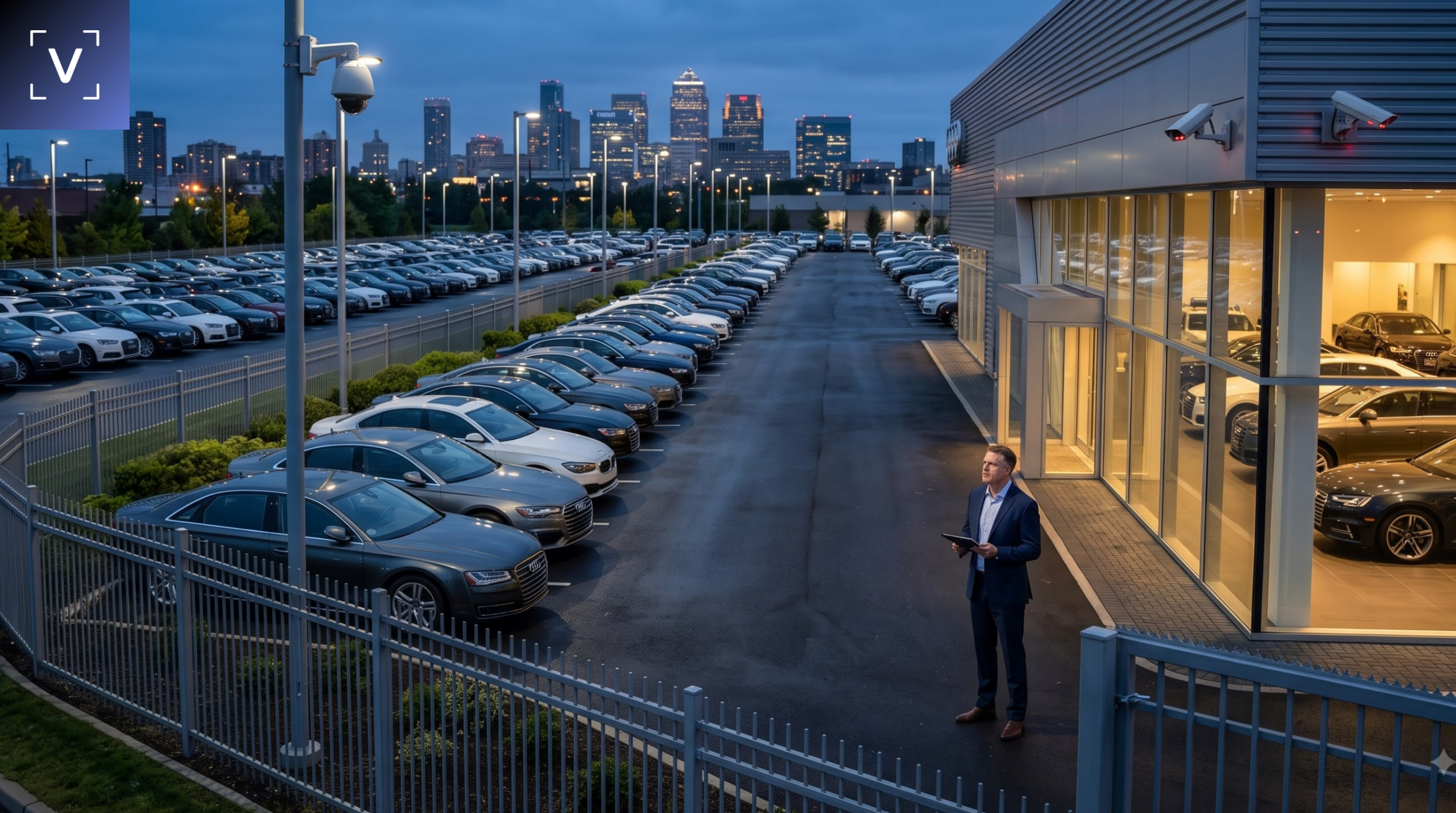

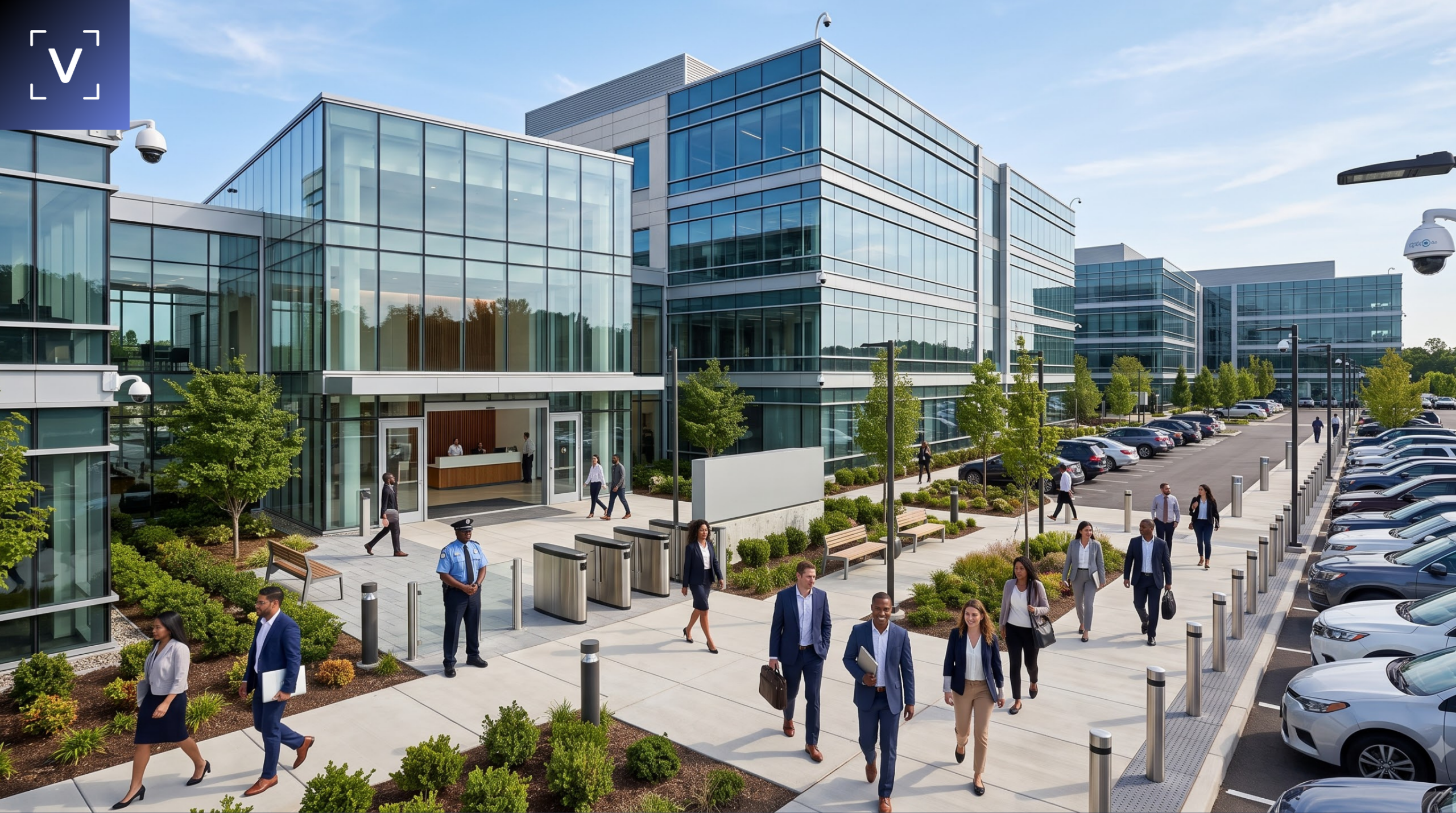
Commercial buildings in 2026 face increasing security challenges as businesses, employees, tenants, and visitors expect safer environments. Traditional security surveillance cameras and video surveillance systems often record incidents after they occur instead of preventing them. Organizations are increasingly adopting AI surveillance cameras, CCTV monitoring services, AI video analytics, and video monitoring systems to improve visibility, detect threats earlier, and strengthen overall property protection.
Modern surveillance is no longer just about recording events. Intelligent security systems analyze activity in real time, reduce false alarms, and help security teams respond before incidents escalate. By eliminating common security mistakes, businesses can improve safety, reduce operational risks, and create more secure commercial properties.
Many commercial properties already have surveillance systems installed, yet security incidents continue to occur because of outdated monitoring practices, incomplete camera coverage, delayed response times, and overreliance on manual monitoring. As buildings become larger and security threats evolve, businesses need smarter surveillance solutions that provide continuous visibility and proactive threat detection.
Below are ten common security mistakes commercial buildings make and how AI helps solve them.
Traditional CCTV systems record incidents but usually detect problems only after damage has occurred.
How AI Fixes It:
AI surveillance cameras analyze live video in real time, identify suspicious activity, and send instant alerts before incidents escalate.
Blind spots around entrances, parking areas, loading docks, stairwells, and building perimeters leave critical areas vulnerable.
How AI Fixes It:
AI video analytics improves visibility by helping security teams identify coverage gaps and monitor vulnerable areas more effectively.
Depending on security personnel to manually review camera feeds often slows emergency response.
How AI Fixes It:
AI automatically detects unusual activity and immediately notifies monitoring teams, allowing faster intervention.
Commercial buildings become more vulnerable after business hours when fewer employees and security personnel are present.
How AI Fixes It:
AI surveillance cameras provide continuous 24/7 monitoring, detecting unauthorized movement, restricted area access, and suspicious after-hours activity.
Watching dozens or hundreds of surveillance cameras continuously is difficult and often leads to missed incidents due to operator fatigue.
How AI Fixes It:
AI video analytics monitors every camera simultaneously, allowing security personnel to focus on verified threats instead of watching multiple screens.
Reviewing hours of recorded footage after an incident delays investigations and increases response time.
How AI Fixes It:
AI video analytics quickly identifies important events, allowing security teams to locate incidents within minutes instead of reviewing hours of footage.
7. High False Alarm Rates
Traditional surveillance systems often trigger unnecessary alarms caused by weather, animals, or routine activity.
How AI Fixes It:
AI surveillance cameras distinguish genuine threats from harmless movement, reducing false alarms and allowing security teams to focus on real security risks.
Managing several commercial buildings from different locations can make consistent monitoring difficult.
How AI Fixes It:
Cloud-based video surveillance systems and CCTV monitoring services provide centralized monitoring, giving security teams visibility across multiple properties from a single location.
Security teams may struggle to recognize unusual behavior before an incident develops.
How AI Fixes It:
AI continuously analyzes live activity, detects suspicious behavior, and sends real-time alerts, helping security personnel respond before situations escalate.
Many organizations use surveillance only for incident investigations instead of improving daily operations.
How AI Fixes It:
AI video analytics also supports parking management, visitor monitoring, operational oversight, and facility management, delivering value beyond traditional security.
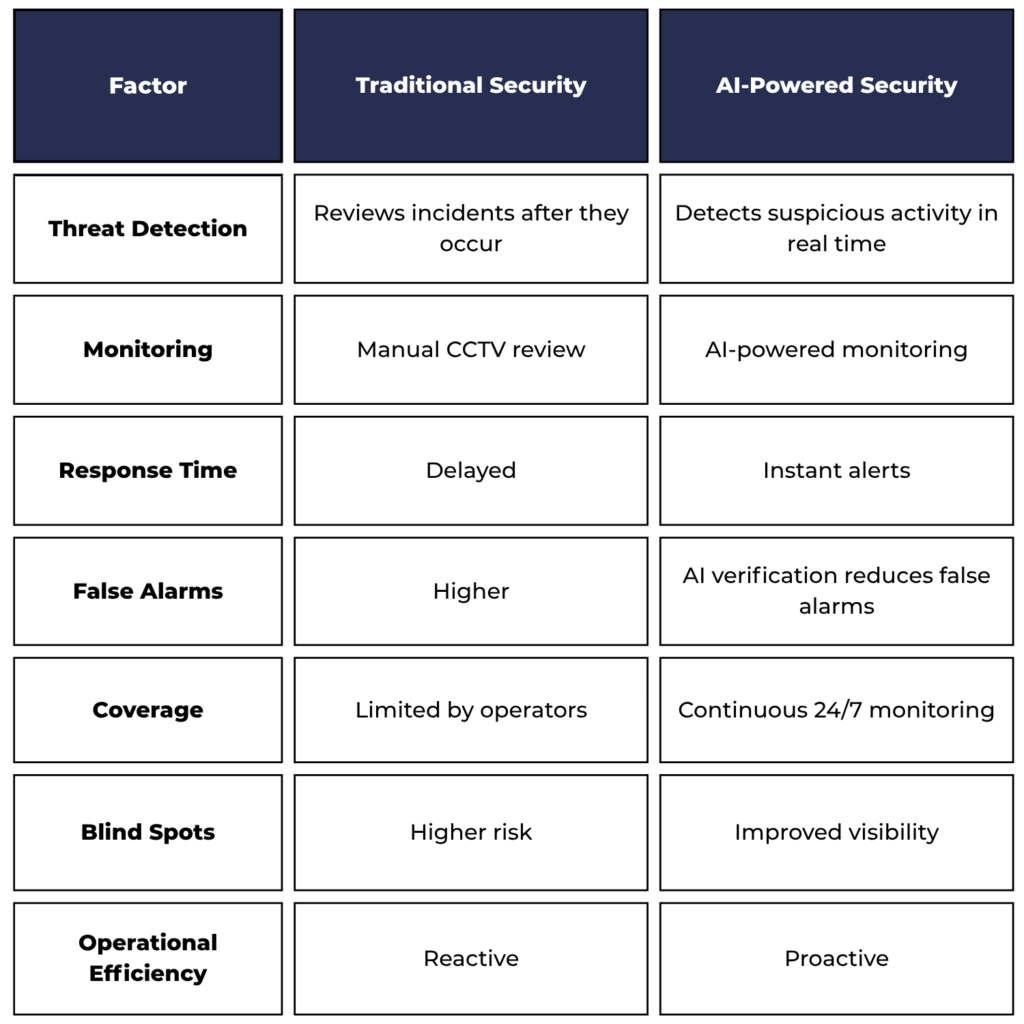
Commercial buildings can no longer rely solely on traditional surveillance to address today’s security challenges. By adopting AI surveillance cameras, video surveillance systems, AI video analytics, and CCTV monitoring services, organizations can eliminate common security mistakes, improve threat detection, and strengthen operational efficiency.
As commercial properties continue to evolve in 2026, intelligent surveillance is becoming an essential investment for protecting employees, tenants, visitors, and valuable business assets while creating safer and more efficient workplaces.