


In 2026, retail shrinkage remains a critical challenge for the retail sector. From organized retail crime and shoplifting to internal theft and inventory loss, retailers face mounting pressure to safeguard assets while maintaining a positive shopping experience for customers.
Traditional surveillance and manual monitoring methods no longer suffice to combat the increasing complexity of organized theft schemes. As retail environments grow more intricate, retailers are adopting AI-driven video analytics and remote monitoring solutions to enhance security, reduce losses, and gain better operational insight.
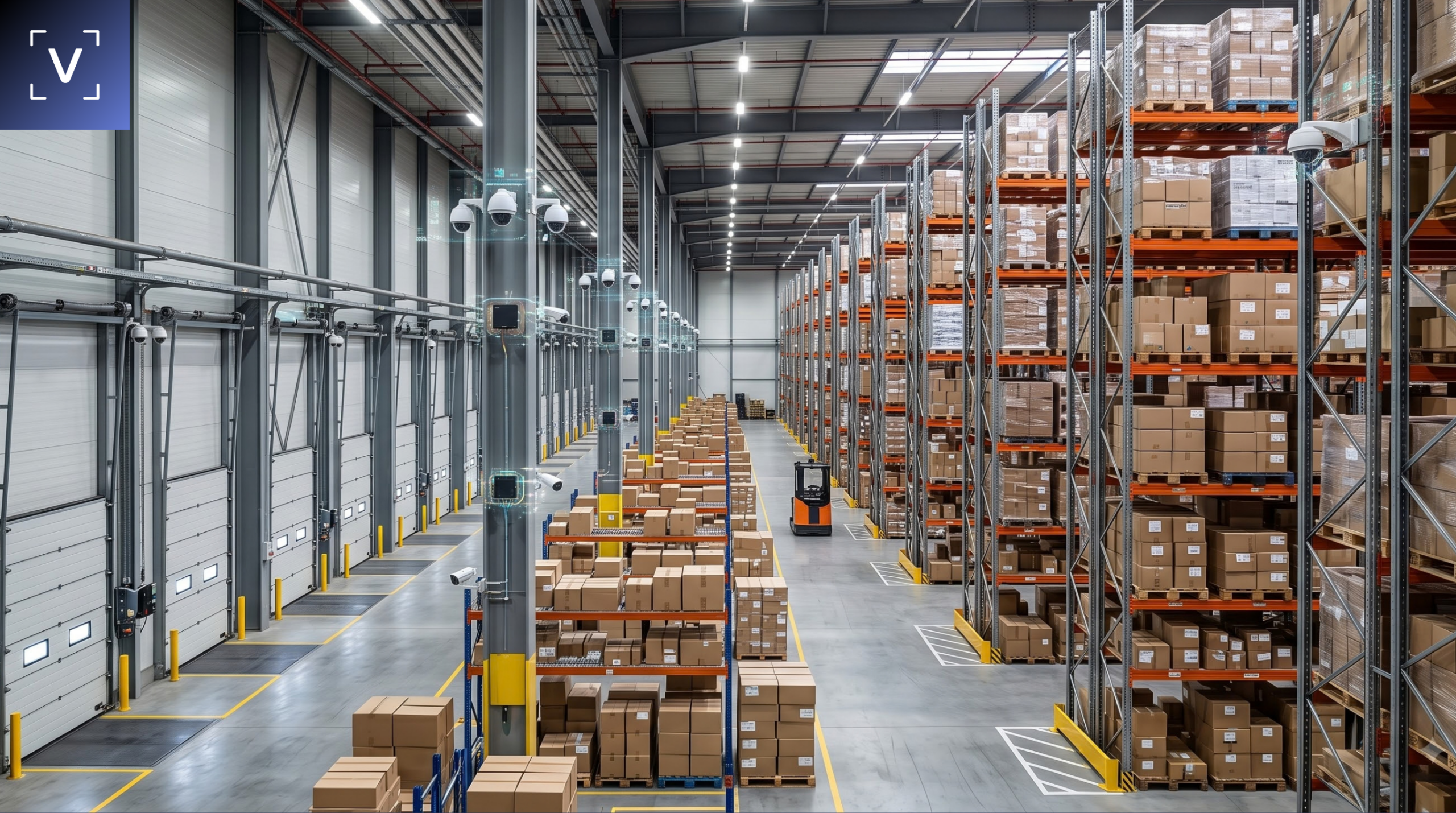
AI video analytics is emerging as one of the most powerful tools in 2026, enabling retailers to detect suspicious behavior early, prevent theft, and minimize shrinkage across both stores and distribution centers.
Retail shrink involves inventory loss resulting from theft, fraud, administrative mistakes, and operational inefficiencies. While shoplifting has long been an issue, organized retail crime has grown into a more sophisticated and coordinated threat.
Retailers are now contending with challenges such as:
These problems lead not only to financial losses but also jeopardize employee safety, customer trust, and daily store operations.
With shrink-related losses continuing to escalate, retailers are investing more in intelligent security technologies that offer proactive threat identification and real-time surveillance.
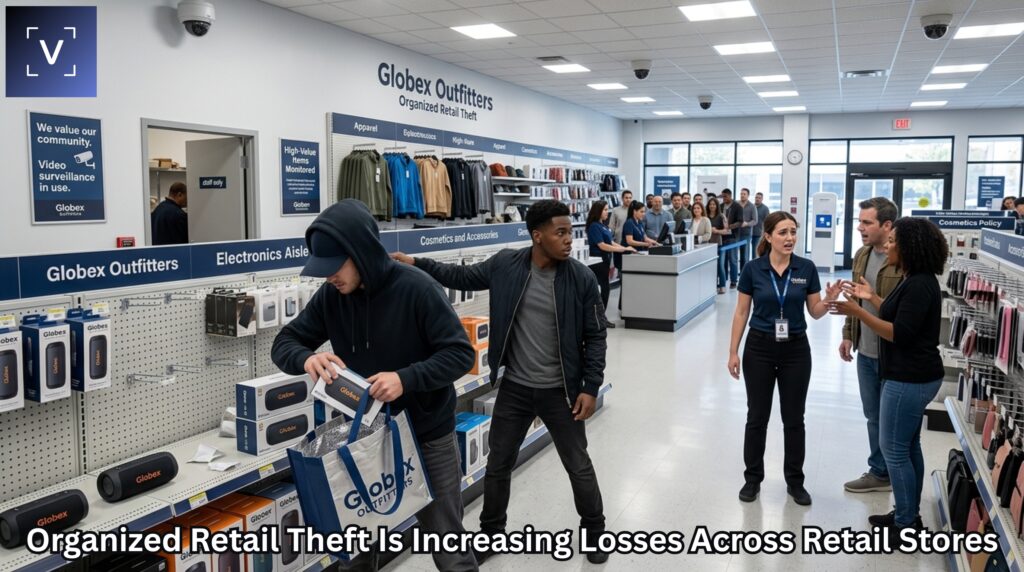
Conventional CCTV systems mostly serve as passive recording devices, with footage typically reviewed only after an incident occurs.
Manual monitoring suffers from several operational drawbacks:
For large retail chains with numerous locations, managing security through these outdated methods becomes increasingly challenging.
Retailers now demand intelligent systems capable of spotting suspicious activities before losses happen.
Modern retailers are leveraging AI-driven analytics to analyze customer movement, identify peak shopping times, and understand in-store behavior trends. These insights not only enhance security measures but also enable businesses to refine store layouts, optimize workforce allocation, and elevate the overall shopping experience. By integrating security data with operational analytics, retailers can develop safer, more intelligent, and efficient retail spaces throughout all their locations.
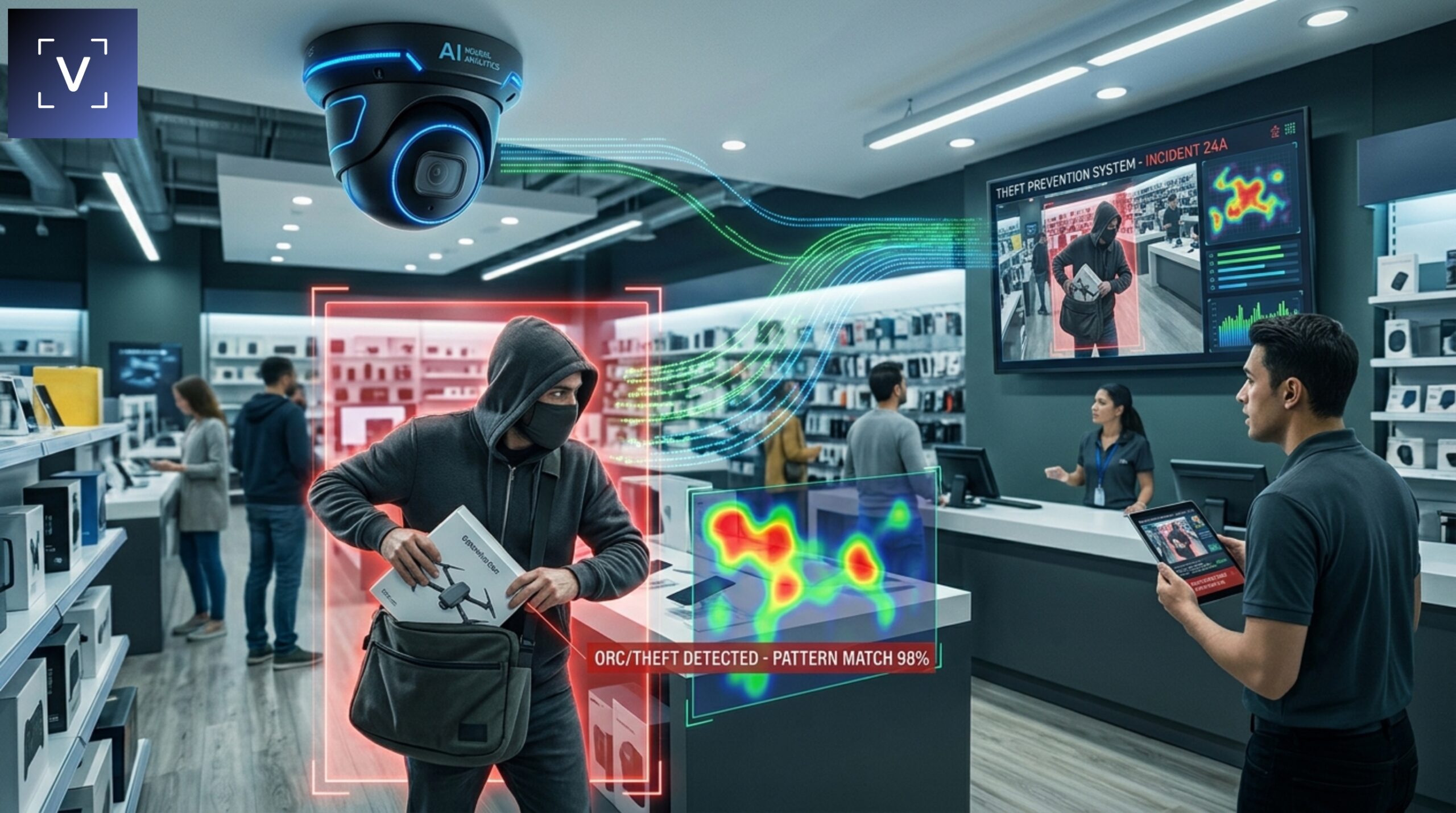
AI video analytics integrates artificial intelligence, advanced surveillance, behavior analysis, and instant alerting to elevate traditional retail monitoring into a proactive security strategy.
Unlike passive systems, AI-driven platforms continuously scrutinize live video streams to detect abnormal activities automatically.
These platforms can identify:
Upon detection, alerts are promptly sent to security staff, store managers, or remote monitoring centers for immediate action.
This proactive method enables retailers to intervene before theft escalates into substantial losses.
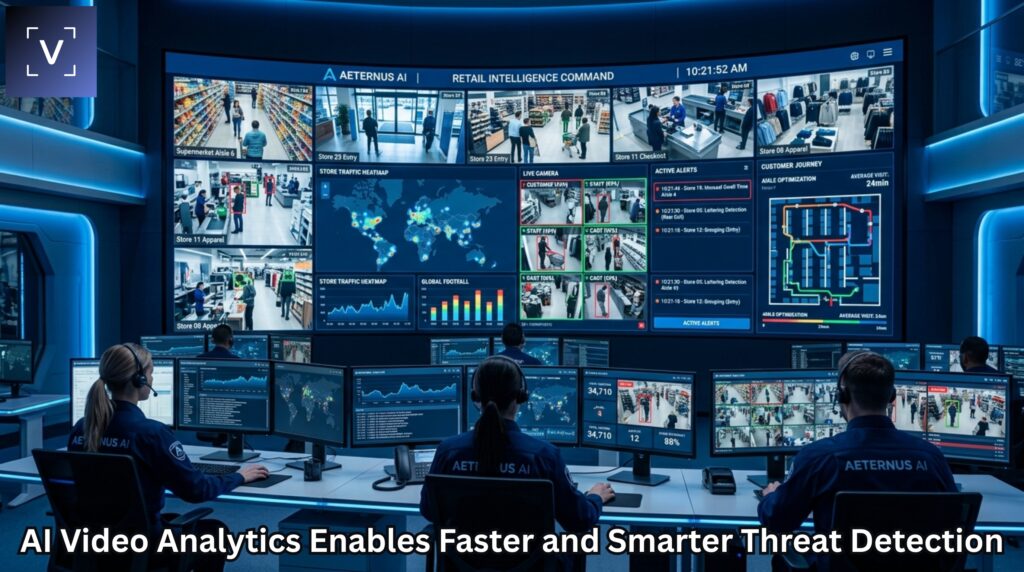
AI-powered surveillance excels in real-time threat detection.
Instead of relying on personnel to watch multiple feeds, AI constantly analyzes store-wide activity.
This allows quicker recognition of:
Instant alerts enable fast security response, mitigating loss risks.
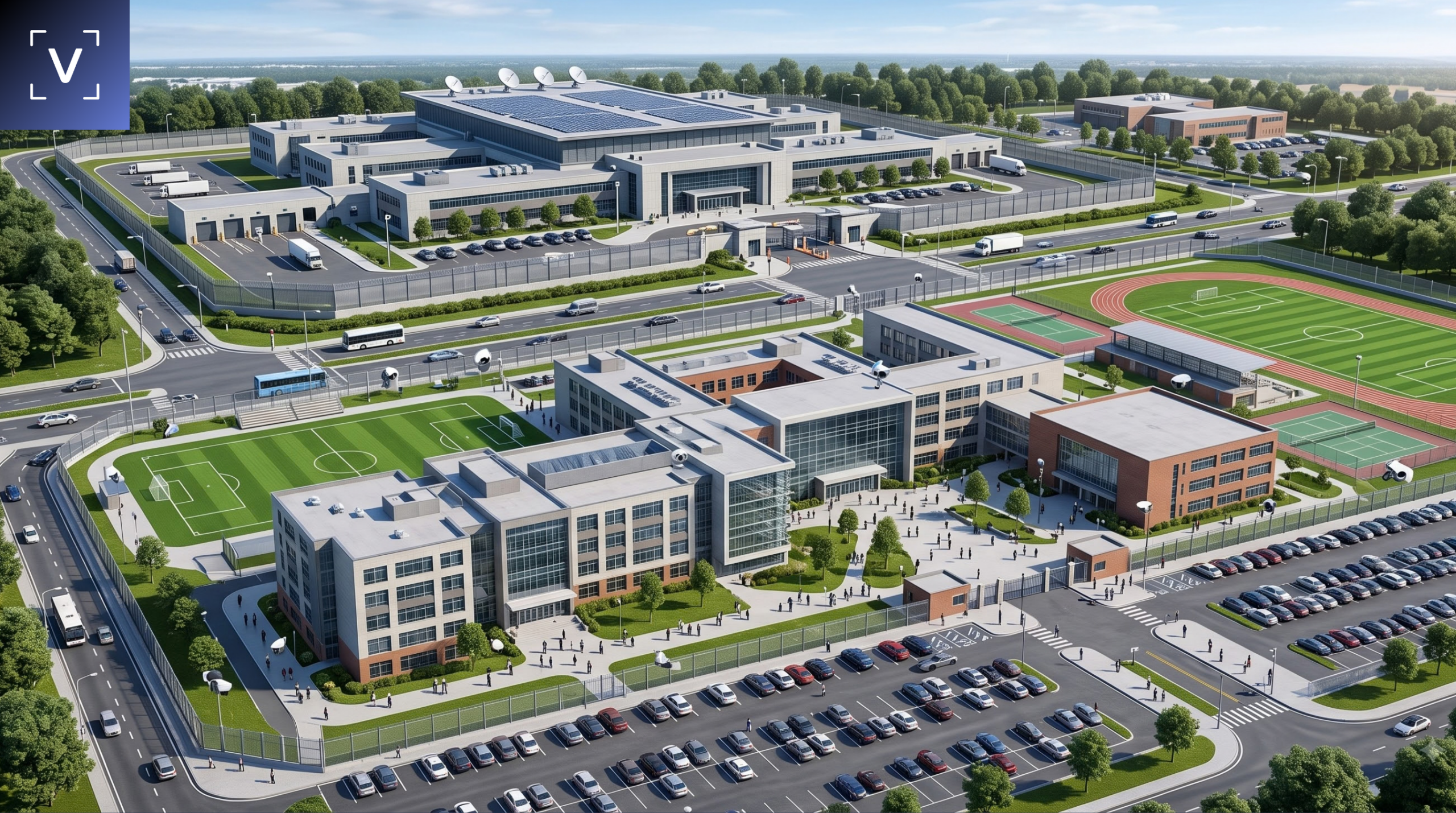
Large retail chains often operate numerous outlets, complicating security management.
AI-based remote monitoring systems provide retailers with the ability to
This boosts operational effectiveness and reduces reliance on manual observation.
Traditional systems frequently trigger false alarms, wasting resources.
AI analytics reduce false positives by accurately verifying suspicious events.
These platforms also facilitate investigations through:
This shortens investigation time and improves security responses.
Retail security now extends beyond theft prevention to protecting people.
AI surveillance helps identify:
Prompt threat detection fosters a safer shopping environment for staff and customers alike.
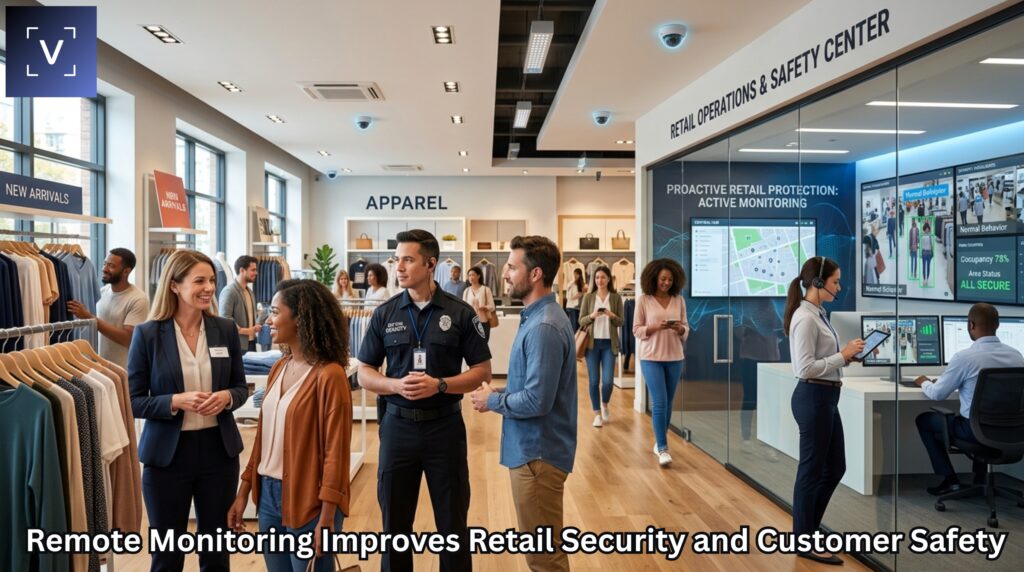
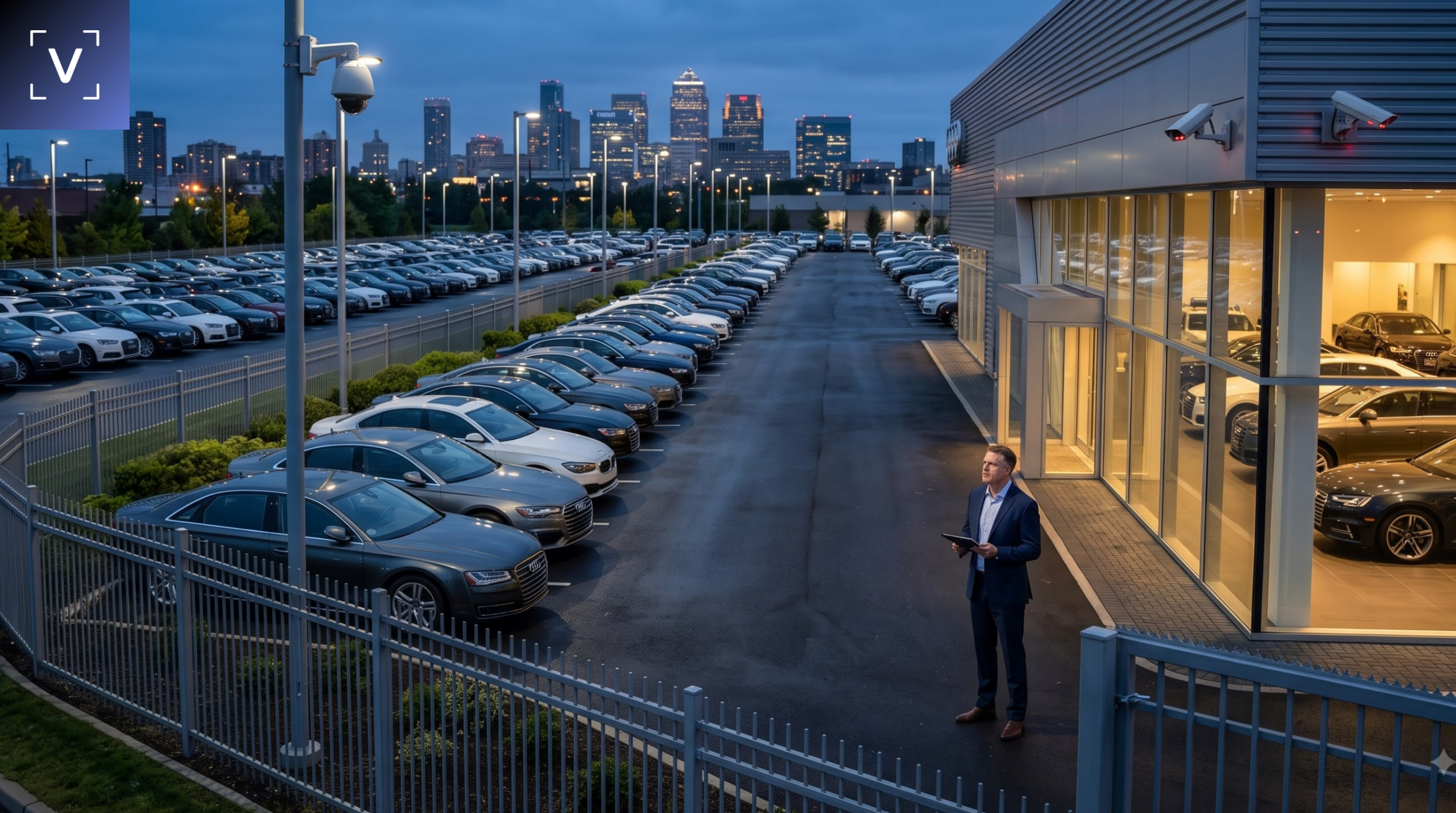
Remote video monitoring adds an additional protective layer by merging AI analytics with centralized human supervision.
When suspicious behavior arises, remote teams can:
This combined approach enhances accuracy and strengthens overall retail security.
Retail shrink remains a formidable operational and financial challenge in 2026. Traditional surveillance alone cannot keep pace with organized theft and evolving security risks.
AI video analytics is revolutionizing retail security by enabling proactive monitoring, instant threat detection, centralized oversight, and faster incident responses.
By integrating AI-powered surveillance with remote video monitoring, retailers can lower shrinkage, enhance employee safety, improve efficiency, and better defend stores against organized crime.