



As industrial activities expand into isolated and high-risk areas, securing remote oil and gas facilities is becoming increasingly challenging. In 2026, energy companies face mounting difficulties related to unauthorized entry, equipment theft, sabotage, operational interruptions, and worker safety at these remote locations.
Conventional security measures such as manual patrols, fencing, and passive CCTV systems no longer provide adequate protection for critical energy infrastructure spread across vast geographic regions. With oil and gas operations advancing technologically, companies are adopting intelligent perimeter monitoring and remote surveillance solutions to enhance site security and operational oversight, ensuring compliance with regulatory standards and minimizing environmental impact.
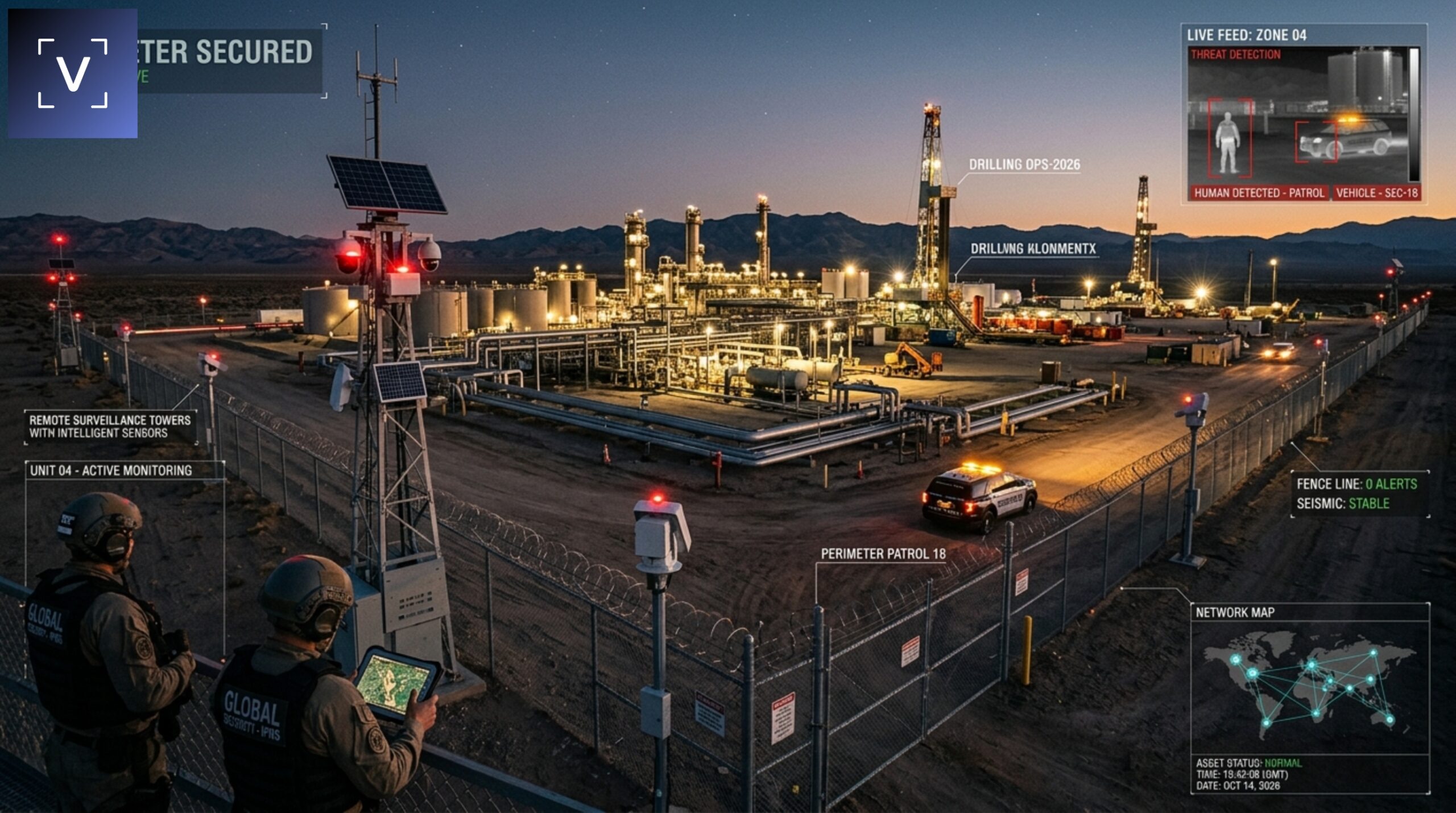
Advanced perimeter monitoring systems leveraging intelligent video analytics, thermal imaging, and immediate alerting enable organizations to identify threats more rapidly and act proactively before situations escalate, thereby safeguarding both assets and personnel.
Oil and gas operations often occur in remote deserts, offshore platforms, pipelines, refineries, and isolated industrial zones where maintaining continuous physical security is difficult.
These sites face numerous security and operational risks, including:
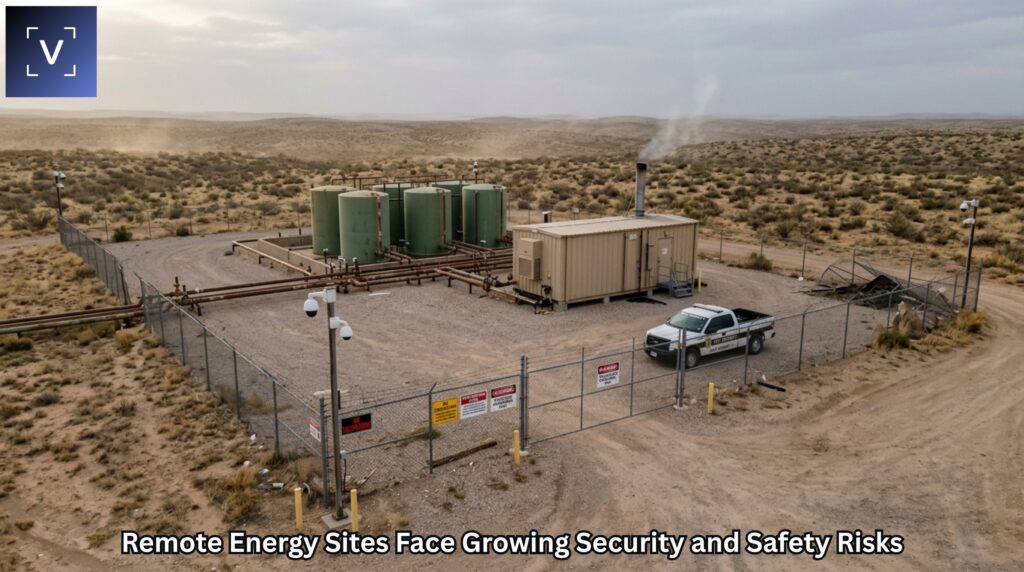
Operating continuously across extensive perimeters, security teams find it challenging to achieve full visibility through traditional surveillance methods.
Delayed detection of incidents can result in operational stoppages, financial damage, environmental hazards, and safety issues.
Intelligent perimeter monitoring integrates cutting-edge surveillance technologies, real-time video analytics, thermal imaging, motion sensors, and centralized oversight to create a proactive security posture.
Unlike standard CCTV cameras, intelligent monitoring platforms continuously evaluate live perimeter footage and automatically detect abnormal behavior or potential threats.
These systems can identify:
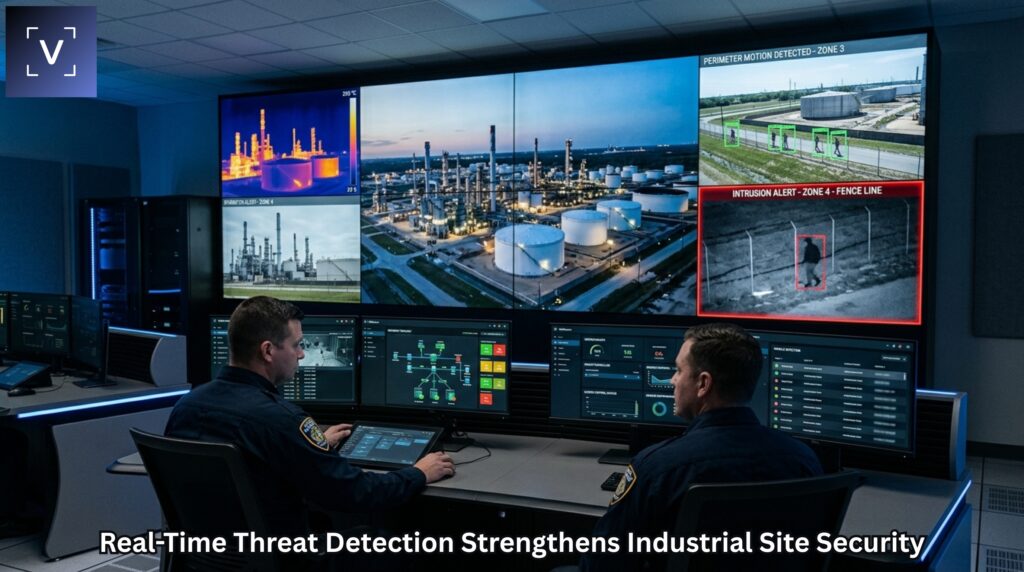
Upon detecting suspicious activity, alerts are instantly sent to security operators or remote monitoring centers for swift intervention.
This proactive strategy enables energy firms to prevent incidents before they affect operations or compromise safety.
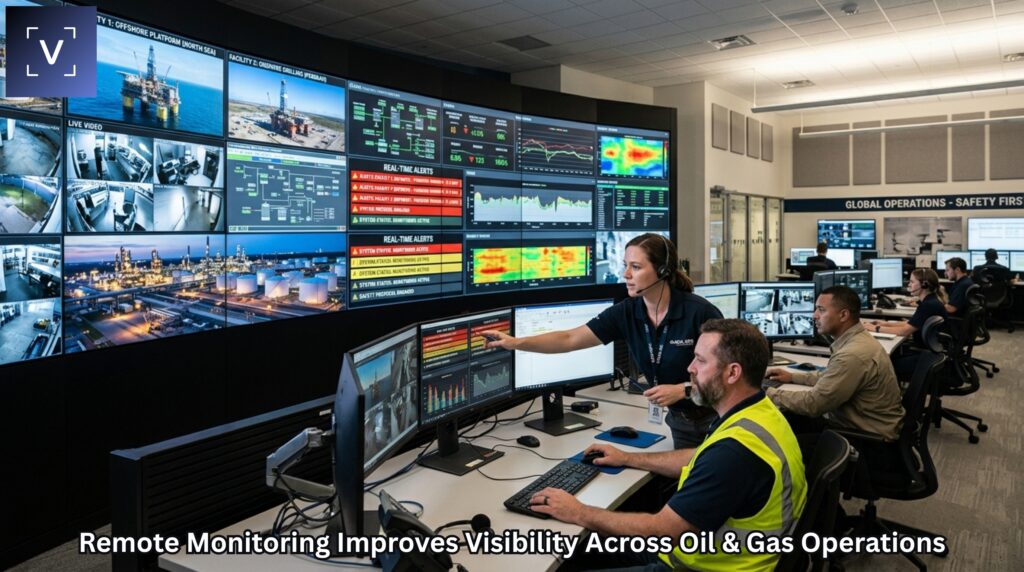
Remote video monitoring adds an extra layer of security for energy companies managing multiple distant sites.
By merging intelligent surveillance with centralized monitoring teams, organizations can:
This consolidated approach allows security personnel to react more quickly while bolstering overall infrastructure protection.
Industrial security now extends beyond intrusion prevention. Oil and gas companies also emphasize the following:
Intelligent perimeter monitoring systems supply actionable insights that help improve safety protocols, oversee restricted areas, and reinforce comprehensive site management.
Protecting remote oil and gas facilities has become increasingly complex as operations expand into isolated and high-risk territories.
Relying solely on traditional surveillance no longer suffices to safeguard critical infrastructure, maintain operational awareness, and respond swiftly to security threats.
Intelligent perimeter monitoring solutions are revolutionizing industrial security by delivering real-time threat identification, centralized supervision, enhanced situational awareness, and proactive incident management.
By integrating advanced surveillance technologies with remote video monitoring, oil and gas companies can bolster infrastructure security, enhance worker protection, ensure regulatory compliance, and more effectively address the evolving challenges of modern industrial operations.