



In 2026, critical infrastructure sectors are rapidly changing how they manage physical security. Industries such as energy, utilities, transportation, manufacturing, logistics, telecommunications, and water management are increasingly shifting away from traditional on-site guard models toward virtual security centers that leverage intelligent surveillance and remote monitoring technologies.
As operational environments expand, become more interconnected, and grow in complexity, relying solely on physical guards is proving to be less effective and more costly. Organizations need advanced monitoring solutions that provide real-time visibility, faster incident response, and centralized management spanning multiple sites.
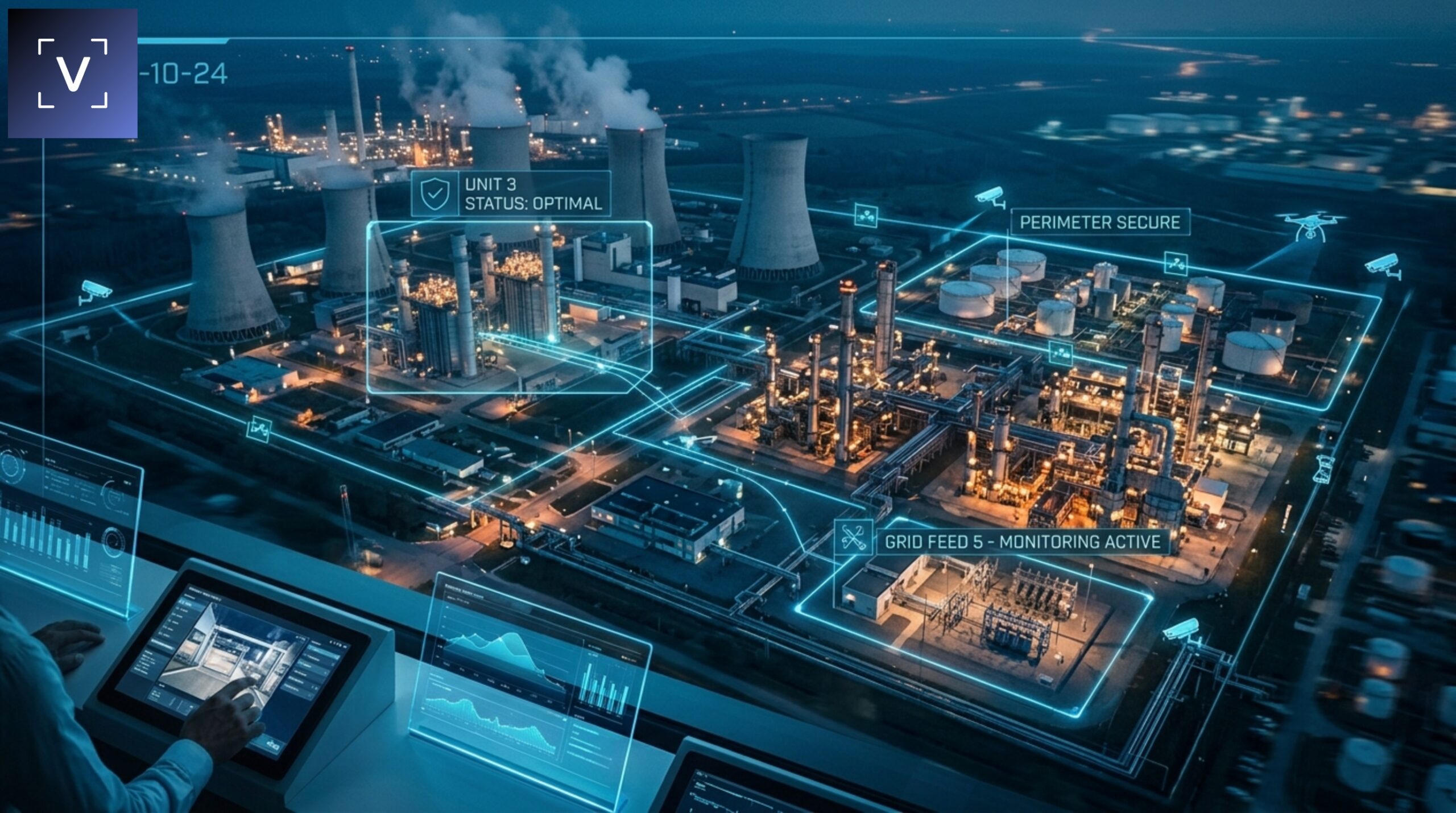
Virtual security centers offer a modern solution by integrating smart video analytics, remote surveillance, centralized control, and automated threat detection. This approach enhances security operations, reduces expenses, and helps critical infrastructure companies improve resilience, incident response, and asset protection in challenging environments.
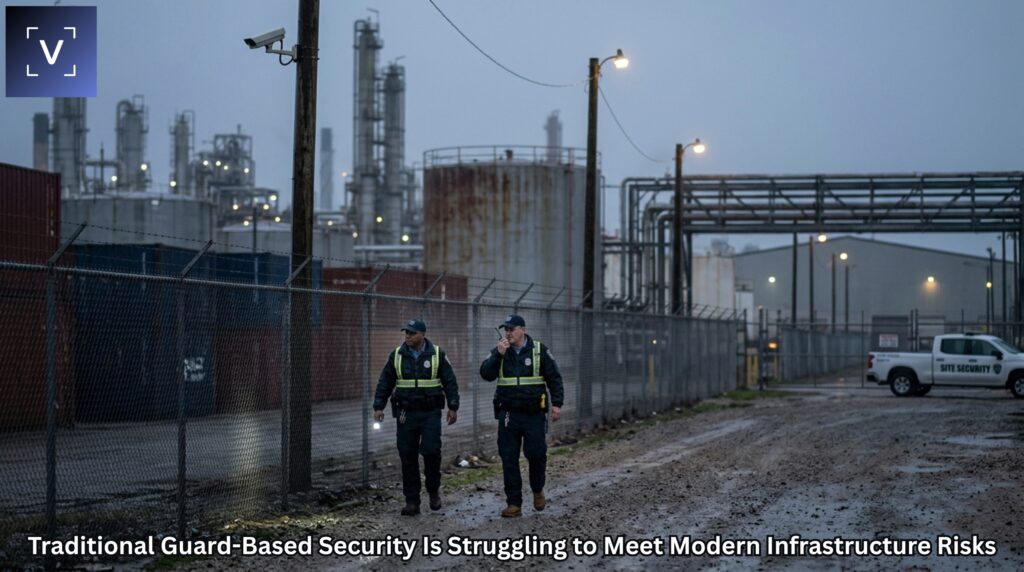
For many years, critical infrastructure facilities have depended heavily on physical security personnel, routine patrols, and conventional surveillance systems to safeguard assets and operations.
However, traditional guard-based security now encounters several operational limitations, including:
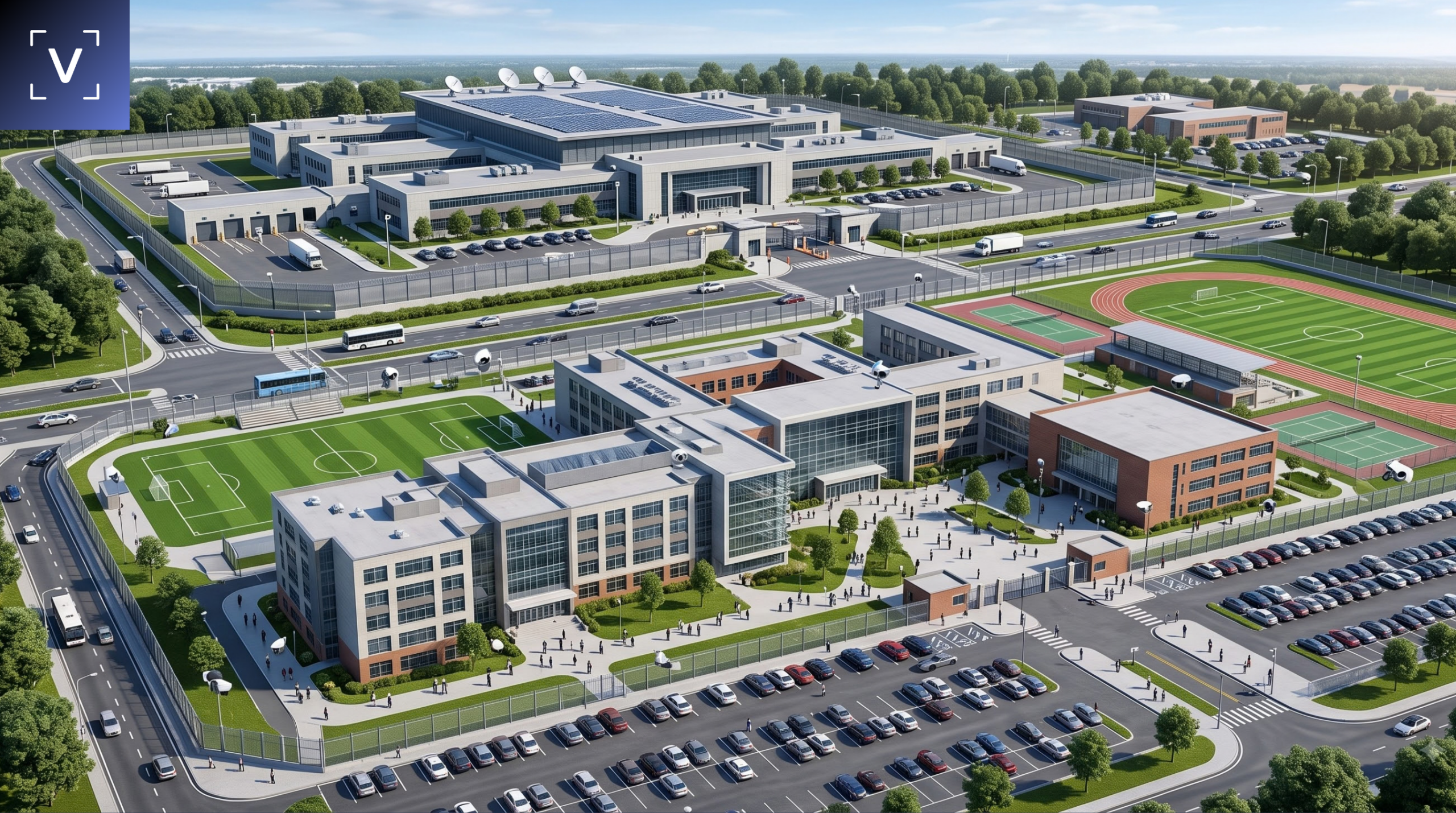
Critical infrastructure sites often encompass the following:
Maintaining continuous on-site security coverage across such widespread and complex environments is increasingly inefficient and impractical.
Organizations now seek more intelligent, scalable security frameworks that operate around the clock with enhanced situational awareness.
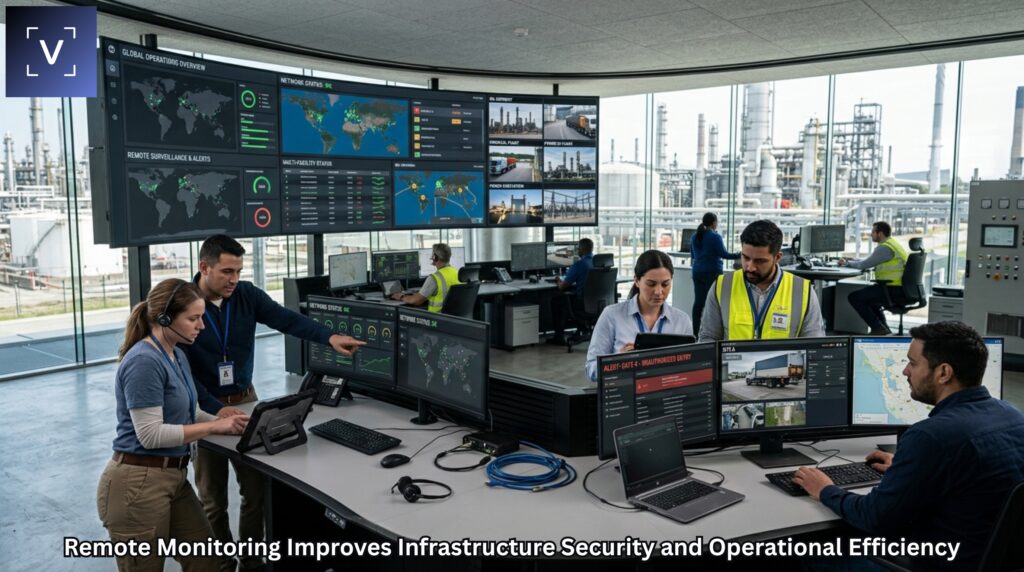
Virtual security centers combine smart video surveillance, centralized monitoring teams, integrated operations, and advanced analytics to create a proactive security ecosystem.
Unlike traditional systems that mostly record video for later review, virtual security centers actively monitor multiple locations in real time and automatically detect suspicious behaviors or operational threats.
Capabilities include detection of:
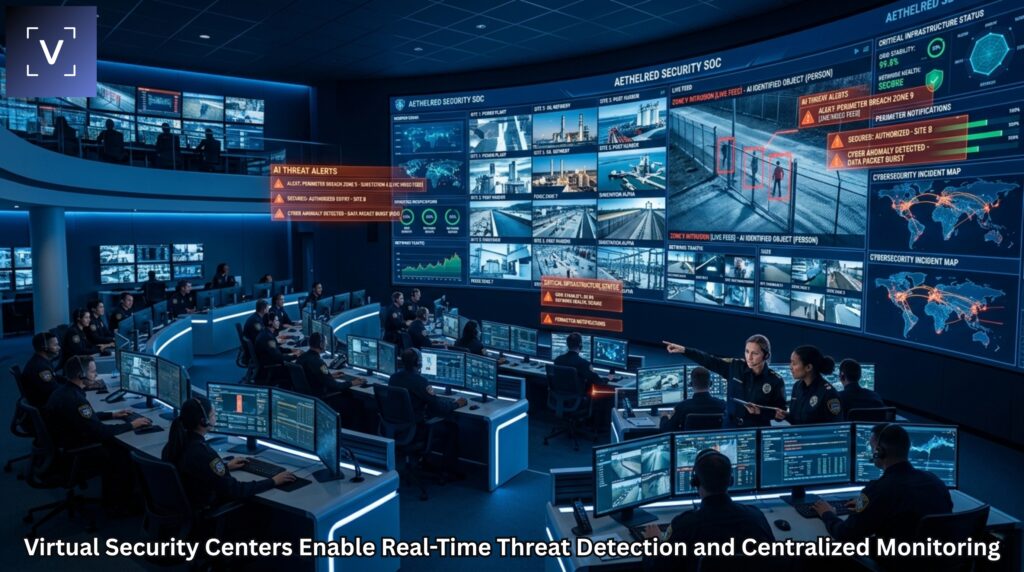
Upon identification of potential threats, alerts are immediately routed to centralized monitoring teams for swift evaluation and response.
This proactive model enables organizations to intervene early and manage incidents before they evolve into significant security or operational disruptions.
A major advantage of virtual security centers is the ability to provide centralized visibility across numerous facilities.
Critical infrastructure companies often oversee operations spread over wide geographic areas. Managing security independently at each site through traditional guard models leads to inefficiencies and hampered coordination.
Virtual monitoring platforms allow organizations to
This centralized framework strengthens security management while reducing reliance on large, costly on-site guard forces.
Speed is vital when securing critical infrastructure.
Traditional methods often depend on guards to manually spot incidents or review footage after events occur, causing delays that heighten risks, downtime, and safety concerns.
Virtual security centers powered by intelligent analytics enable the following:
These features improve situational awareness and allow organizations to react more effectively to emerging threats.
Many organizations are adopting virtual security centers not only to bolster security but also to increase operational efficiency.
Remote monitoring solutions help decrease the following:
By centralizing surveillance activities, companies maintain stronger, more consistent visibility across all locations while managing long-term security expenditures.
This is especially crucial for sectors with multiple or remote facilities where staffing expenses can escalate rapidly.
Critical infrastructure security strategies now extend well beyond intrusion prevention.
Organizations also prioritize:
Virtual security centers deliver actionable insights that help monitor restricted zones, enforce safety policies, and ensure compliance with industry regulations.
Advanced surveillance technology also facilitates faster investigations and comprehensive incident documentation.
As industrial operations grow more digital and interconnected, security solutions continue to evolve.
Critical infrastructure companies are expected to increasingly implement the following:
The industry is shifting from reactive security toward proactive, continuously monitored environments that provide real-time operational visibility.
Critical infrastructure organizations are reevaluating traditional security methods as their facilities grow larger, more interconnected, and more complex.
Relying solely on on-site guards is no longer enough to ensure comprehensive visibility, rapid threat response, and protection of vital assets.
Virtual security centers are transforming infrastructure security by enabling centralized monitoring, real-time threat detection, proactive incident management, and enhanced operational efficiency.
By combining intelligent surveillance with remote monitoring capabilities, organizations can reduce costs, strengthen security frameworks, and more effectively safeguard critical infrastructure in 2026 and beyond.