

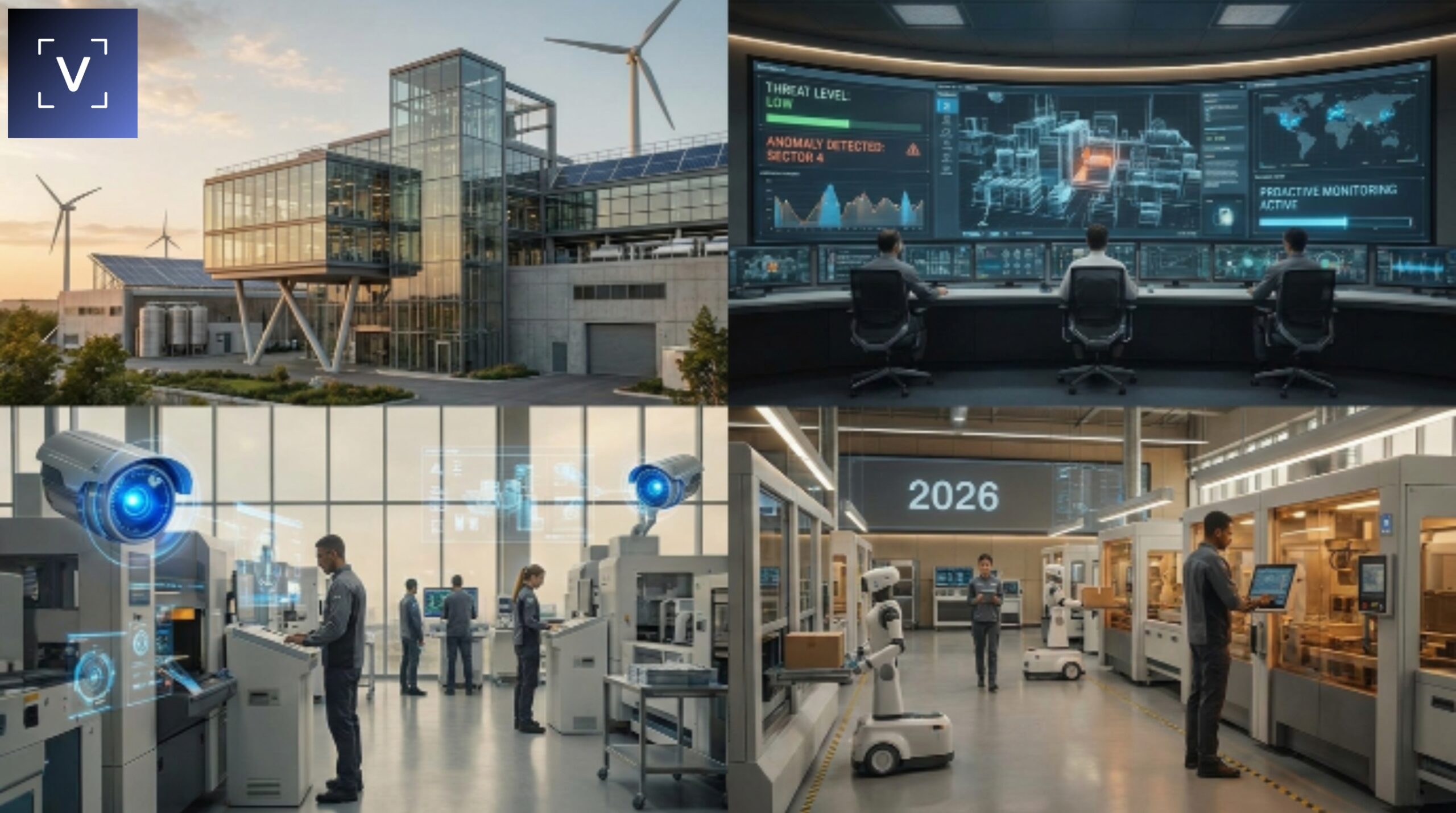
In 2026, industrial facilities are facing increasingly complex security challenges that traditional CCTV surveillance systems, security surveillance cameras, and manual monitoring methods can no longer handle effectively. Modern factories operate around the clock, manage valuable equipment, oversee large workforces, and maintain extensive operational areas that require constant protection.
As industrial environments become more automated and interconnected, organizations are adopting AI surveillance cameras, video surveillance systems, and advanced CCTV monitoring services to improve security, worker safety, and operational visibility.
While conventional CCTV remains an important part of industrial security, businesses are realizing that simply recording footage is no longer enough. Factories now need intelligent surveillance systems capable of detecting threats, monitoring operations, and providing real-time alerts before incidents escalate.
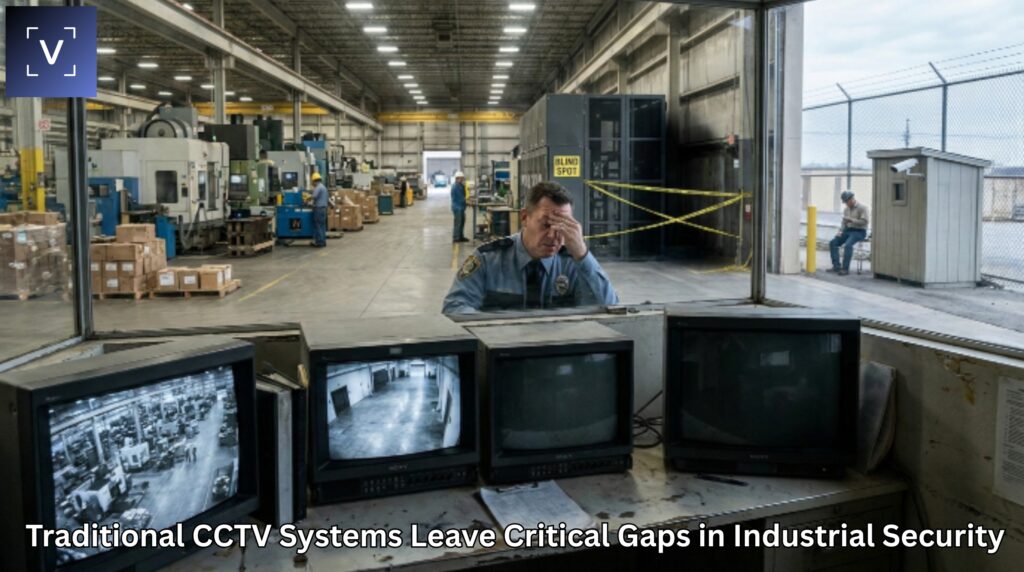
For years, factories relied on CCTV security systems and physical security personnel to protect industrial facilities.
However, modern manufacturing environments present several challenges, including:
Traditional video surveillance systems often operate as passive recording tools, requiring incidents to occur before footage can be reviewed.
This reactive approach can delay response times and limit operational awareness across large industrial sites.
As factories become larger and more technologically advanced, organizations require smarter surveillance solutions capable of providing proactive protection.
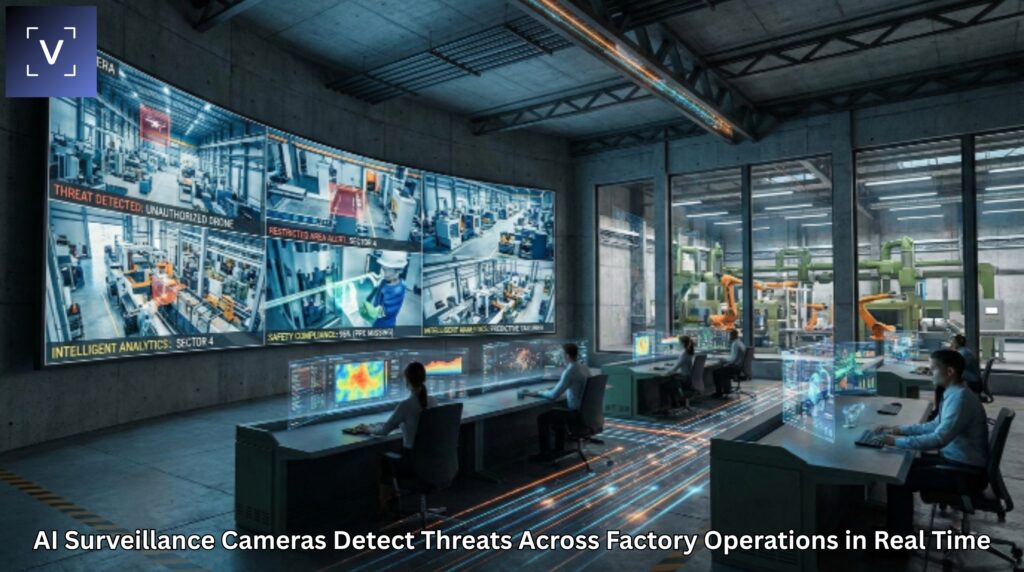
Unlike conventional security surveillance systems, AI surveillance cameras continuously analyze live video feeds and automatically identify unusual activity.
Modern AI-powered monitoring platforms can detect:
When risks are identified, alerts are immediately sent to monitoring teams for rapid assessment and response.
This real-time approach helps factories prevent incidents rather than simply documenting them after they occur.
By combining intelligent analytics with video monitoring systems, organizations gain stronger situational awareness across the entire facility.
Industrial security is no longer limited to protecting assets.
Manufacturers are increasingly using video surveillance security systems to improve workplace safety and support compliance initiatives.
AI-powered monitoring solutions can help identify the following:
These capabilities allow organizations to address risks faster while supporting safety programs and regulatory requirements.
By using intelligent surveillance technology, factories can create safer working environments while reducing operational risk.
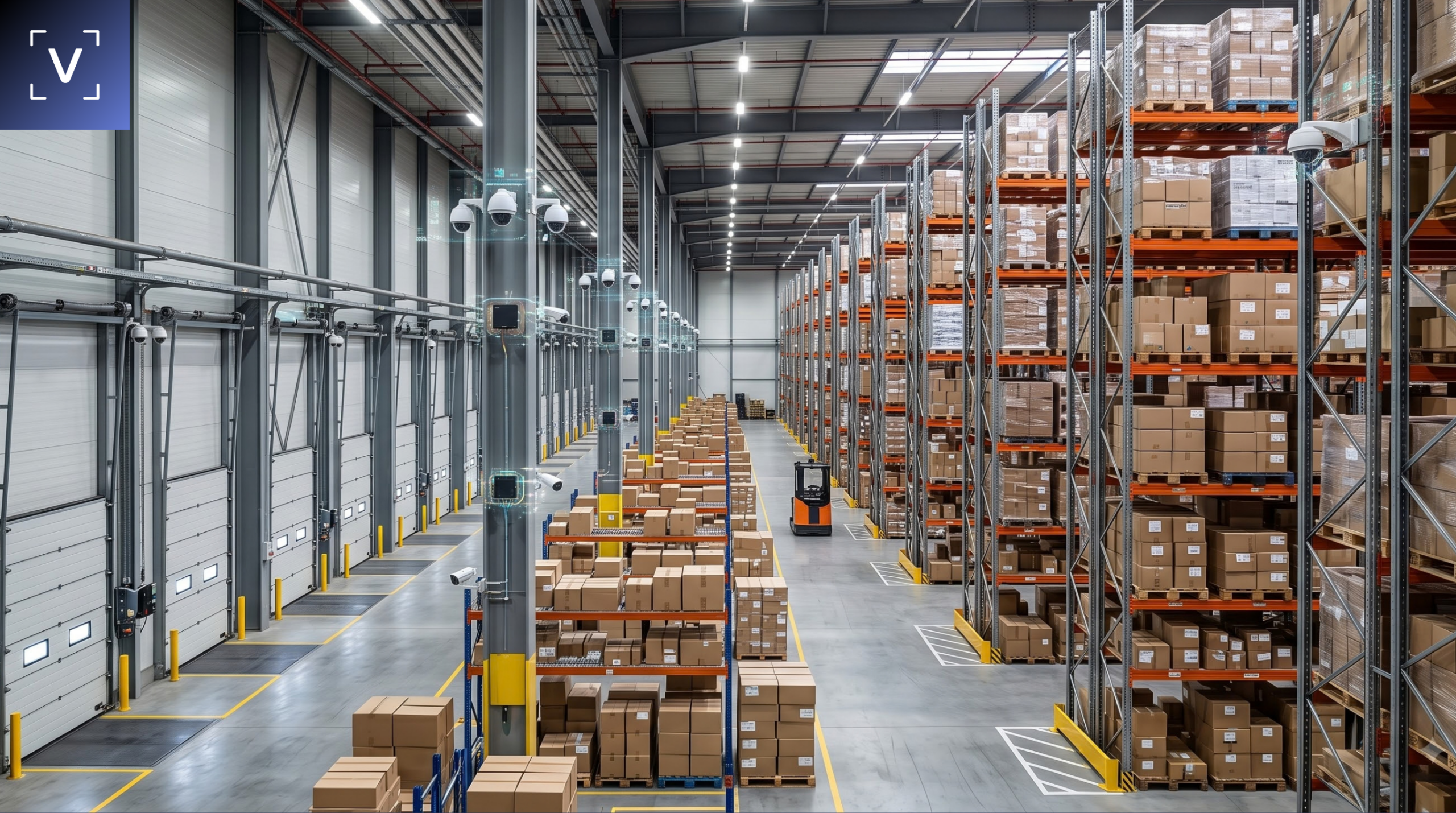
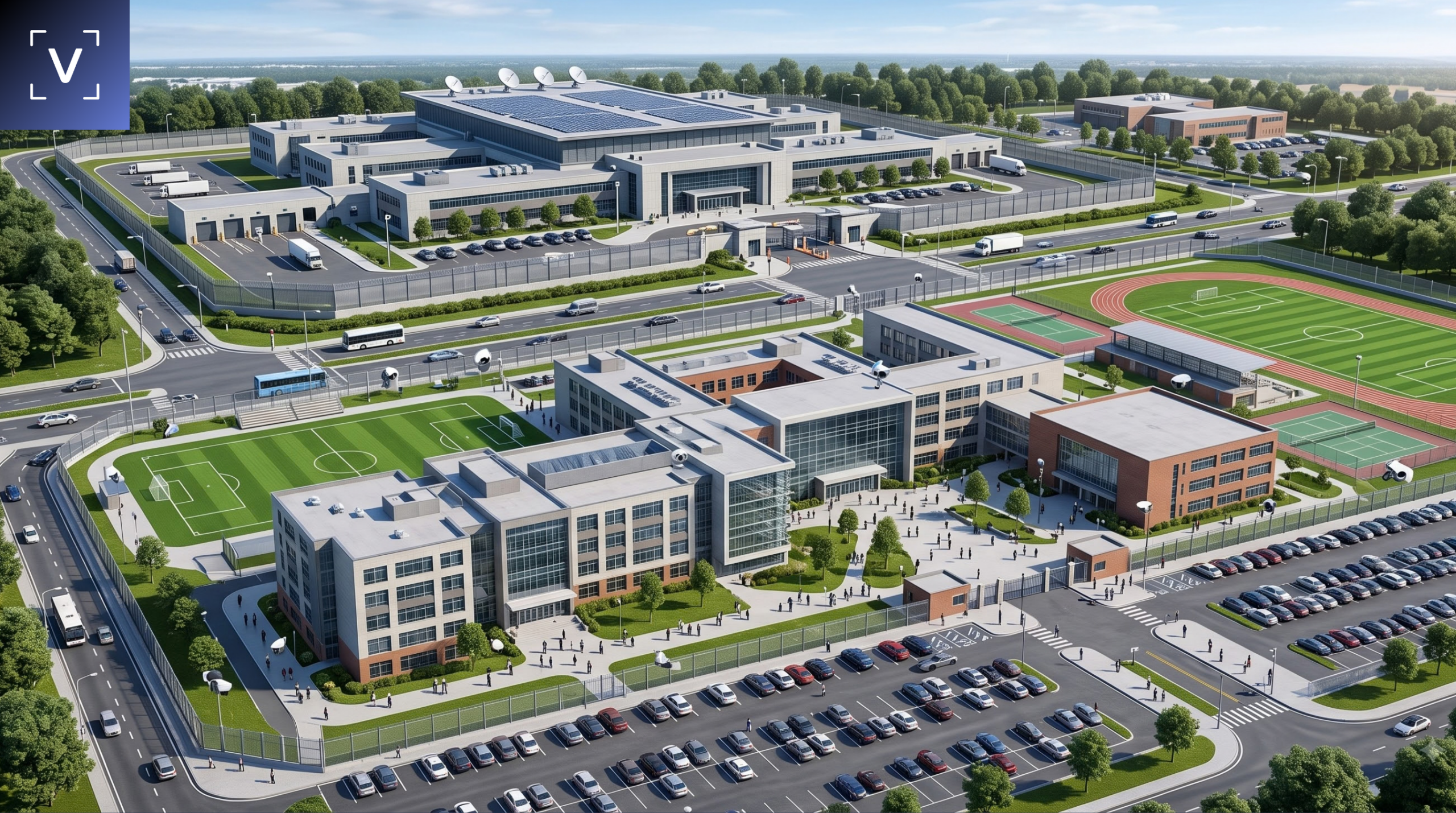
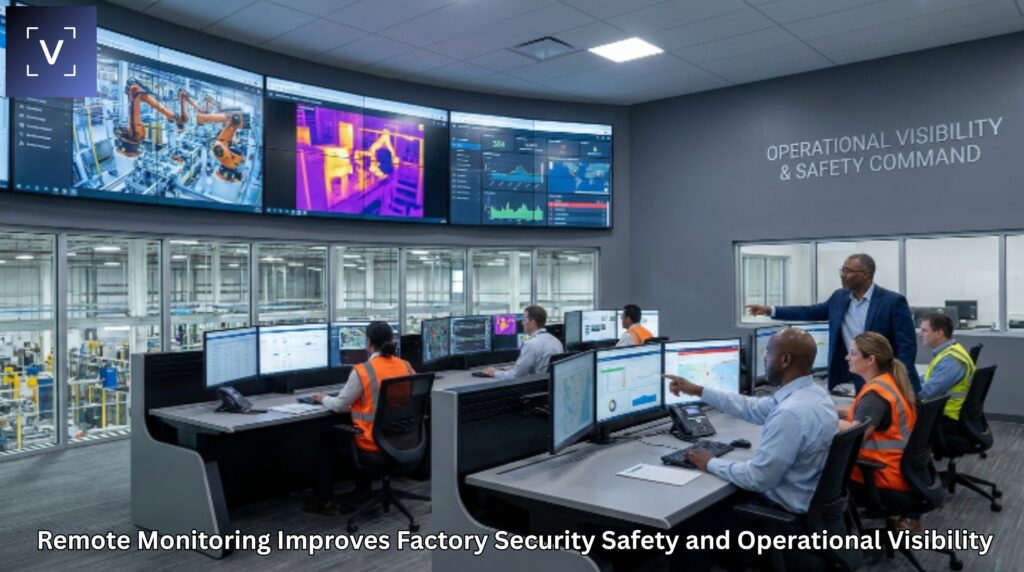
One of the biggest advantages of modern CCTV monitoring services is the ability to provide continuous oversight across large industrial facilities.
Factories often include:
Monitoring these locations manually can be challenging and resource-intensive.
Advanced surveillance and monitoring platforms allow security teams to:
This centralized approach helps organizations improve both security and operational efficiency.
As industrial facilities continue embracing automation, surveillance technology is evolving alongside them.
Factories in 2026 are increasingly investing in:
These technologies help businesses move beyond reactive security models and toward proactive protection strategies.
Organizations can now detect threats faster, improve safety performance, and maintain greater visibility across industrial operations.
Additionally, modern industrial facilities are increasingly leveraging AI-driven surveillance as part of broader digital transformation initiatives. As factories become more connected through smart manufacturing technologies and Industrial IoT (IIoT) devices, security systems are evolving into intelligent operational platforms capable of delivering both security and business insights. AI-powered video analytics can help identify workflow disruptions, monitor equipment usage patterns, and detect unusual operational activities that may indicate safety or security concerns.
Another significant advantage is the ability to integrate surveillance systems with access control, alarm management, and emergency response platforms. This creates a unified security ecosystem that improves coordination between security teams, facility managers, and operational personnel. When an incident occurs, relevant information can be shared instantly, enabling faster decision-making and more effective response procedures.
Advanced surveillance solutions also support long-term risk management by providing valuable historical data and trend analysis. Organizations can use this information to identify recurring vulnerabilities, improve site security strategies, and enhance workplace safety programs. By transforming video surveillance from a passive recording tool into an active intelligence platform, factories gain greater operational visibility, stronger security protection, and improved resilience against evolving threats in modern industrial environments.
Industrial security requirements are changing rapidly as factories become more connected, automated, and operationally complex.
Traditional CCTV surveillance systems alone can no longer provide the level of visibility and threat detection modern facilities require.
By combining AI surveillance cameras, video surveillance systems, and CCTV monitoring services, manufacturers can improve security, strengthen worker safety, reduce operational risk, and gain real-time visibility across their facilities.
As industrial operations continue to evolve in 2026, intelligent surveillance is becoming an essential component of modern factory security.