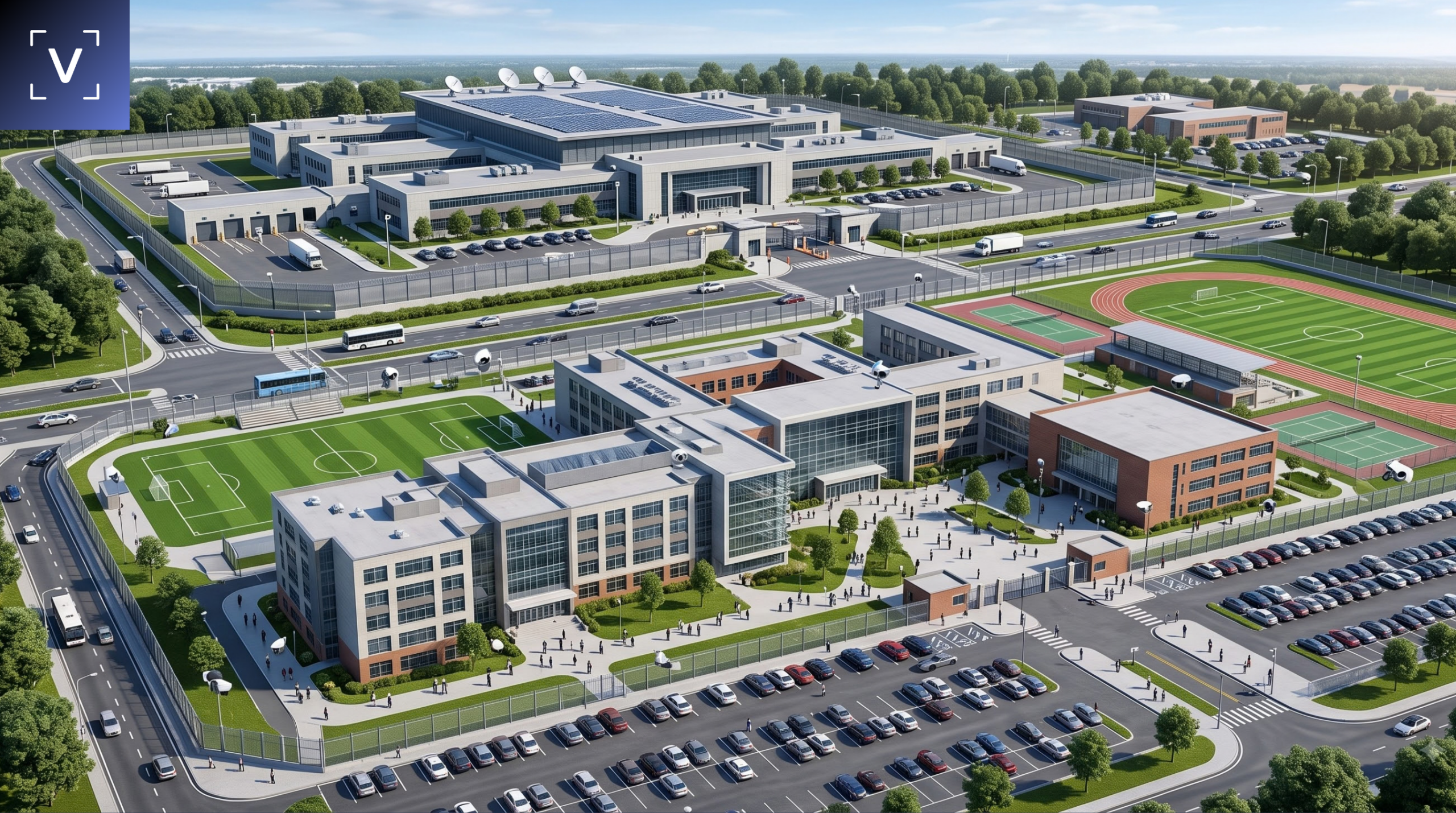




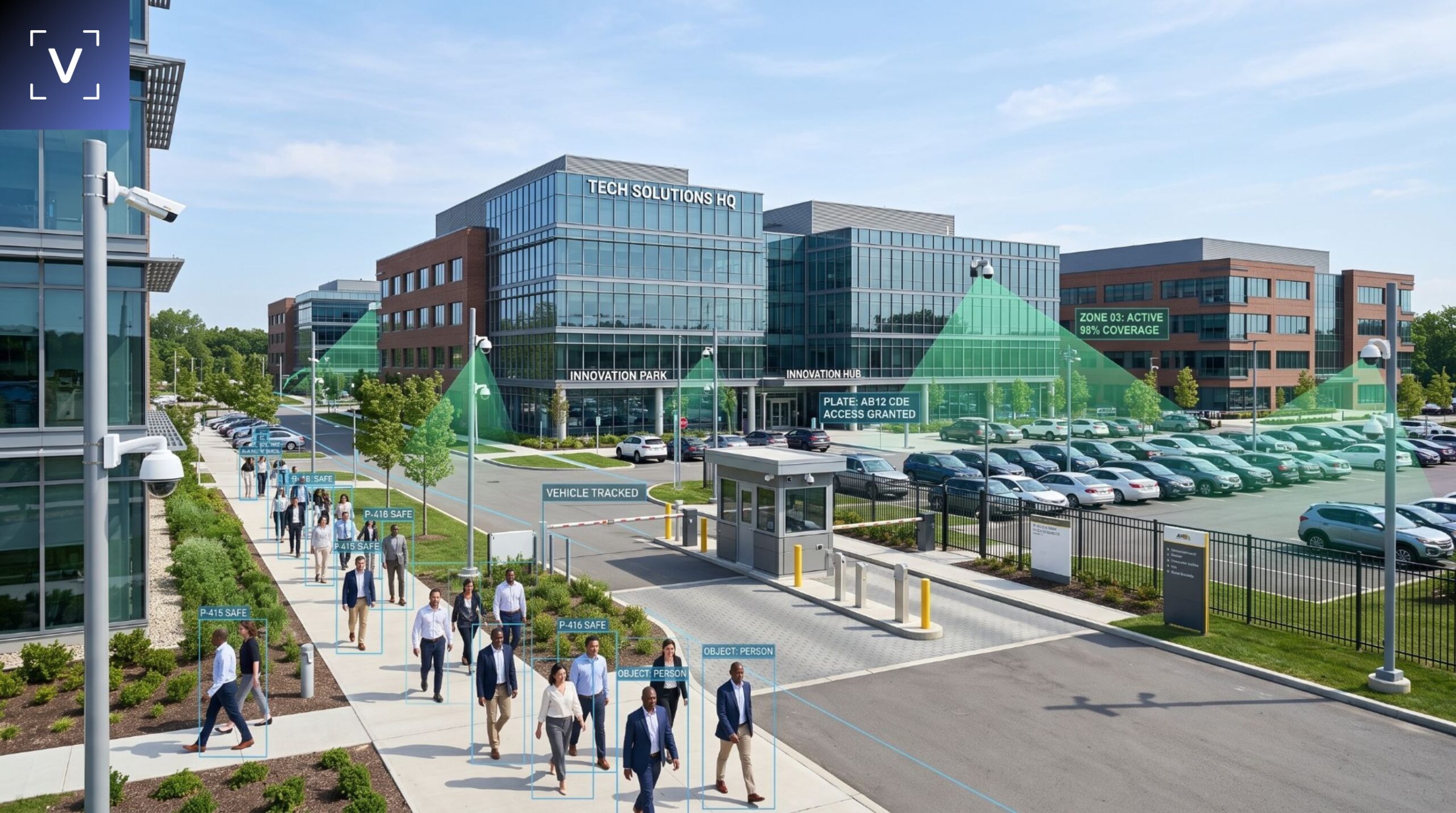
In 2026, security blind spots have become one of the biggest challenges for businesses managing commercial properties, warehouses, retail stores, construction sites, and industrial facilities. Traditional security surveillance cameras and video surveillance systems often leave areas unmonitored, increasing the risk of theft, vandalism, unauthorized access, and workplace safety incidents. To close these gaps, organizations are adopting AI surveillance cameras, CCTV monitoring services, and intelligent security surveillance systems that provide complete visibility and real-time threat detection.
Modern video monitoring systems, AI video analytics, and surveillance and monitoring technologies help businesses identify risks early, improve operational awareness, and protect people, assets, and critical infrastructure.
A security blind spot is any location that cannot be effectively monitored by existing surveillance systems.
Common blind spot areas include:
These vulnerable areas often become targets for theft, vandalism, unauthorized access, and safety violations. As facilities expand, eliminating surveillance gaps becomes essential for protecting business operations.
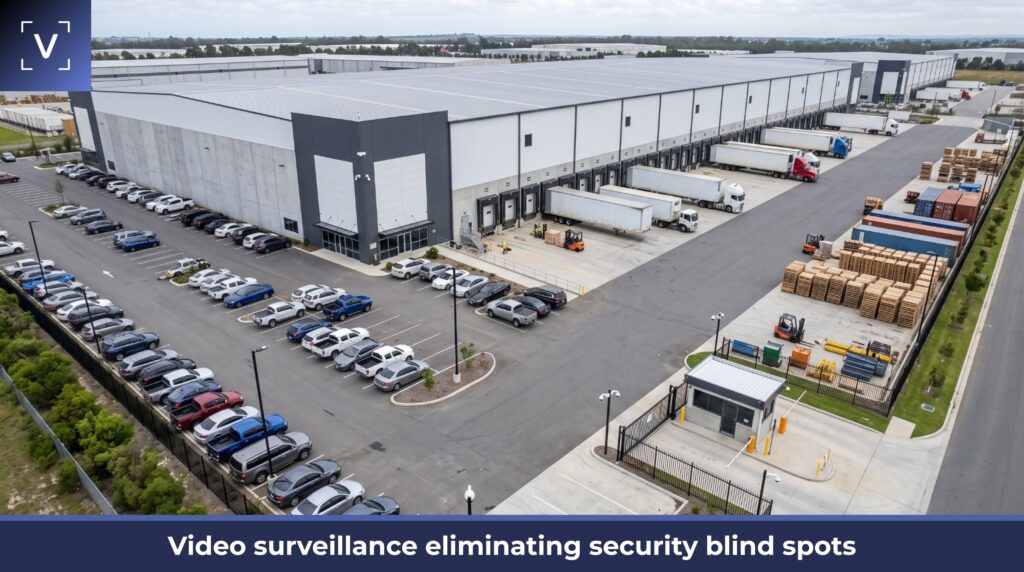
Modern video surveillance systems provide broader and more intelligent coverage than traditional CCTV.
Today’s surveillance solutions include:
Properly positioned security surveillance cameras reduce blind spots while giving security teams continuous visibility across critical areas. Real-time monitoring enables faster responses to suspicious activity and improves overall operational security.
Unlike traditional CCTV, AI surveillance cameras actively analyze live video instead of simply recording footage.
These systems automatically detect:
Instant alerts help security teams respond before incidents escalate. By combining AI video analytics with intelligent monitoring, businesses improve threat detection while reducing false alarms.
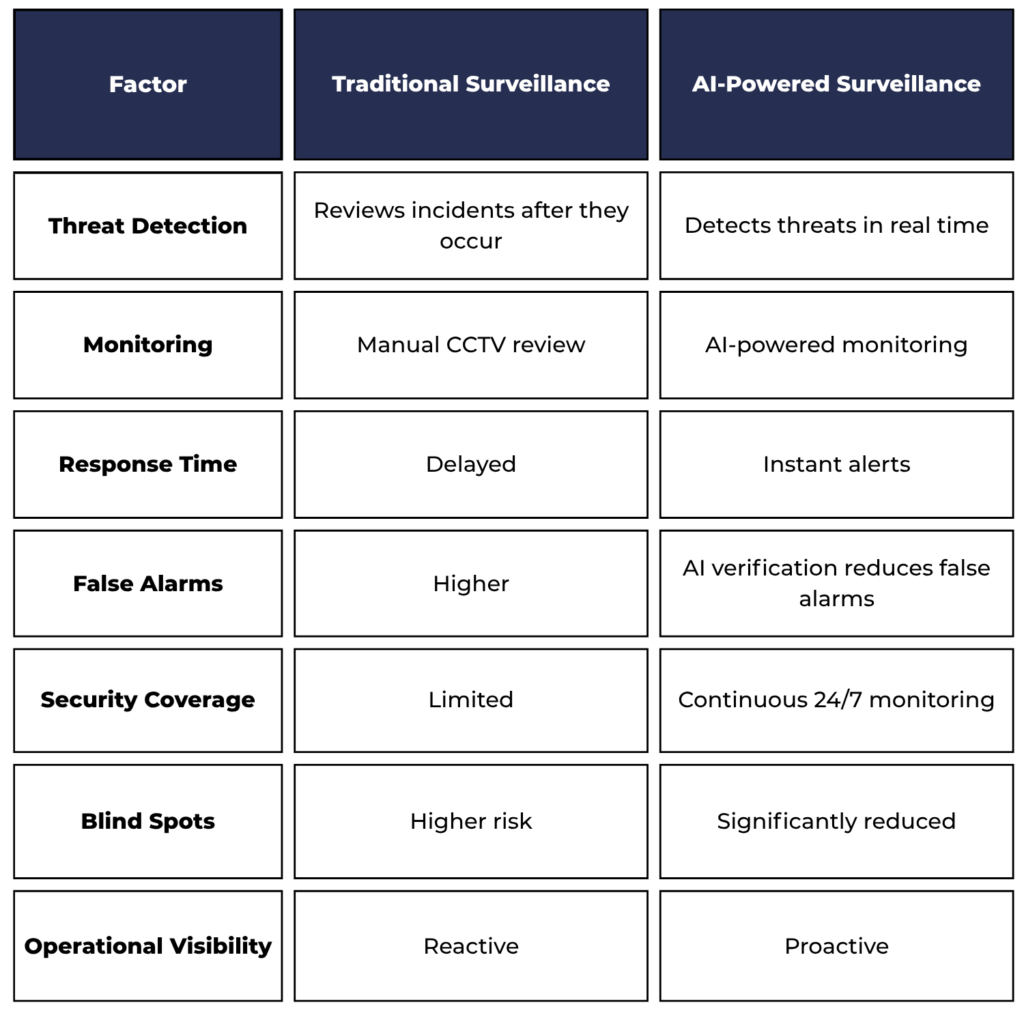
Modern security surveillance cameras, video surveillance systems, AI surveillance cameras, and CCTV monitoring services work together to eliminate blind spots, improve visibility, and strengthen business security.
Imagine a logistics warehouse operating 24/7 with multiple loading docks, parking areas, and storage zones. One evening, an unauthorized individual enters through an unmonitored side entrance and moves toward a restricted storage area. A traditional CCTV surveillance system records the activity, but security personnel notice it only after reviewing the footage.
With AI surveillance cameras, video surveillance systems, and CCTV monitoring services, the intrusion is detected instantly. Real-time alerts allow security teams to intervene immediately, preventing theft, reducing operational disruption, and protecting valuable assets.
This example shows how eliminating security blind spots transforms surveillance from reactive monitoring to proactive threat prevention.
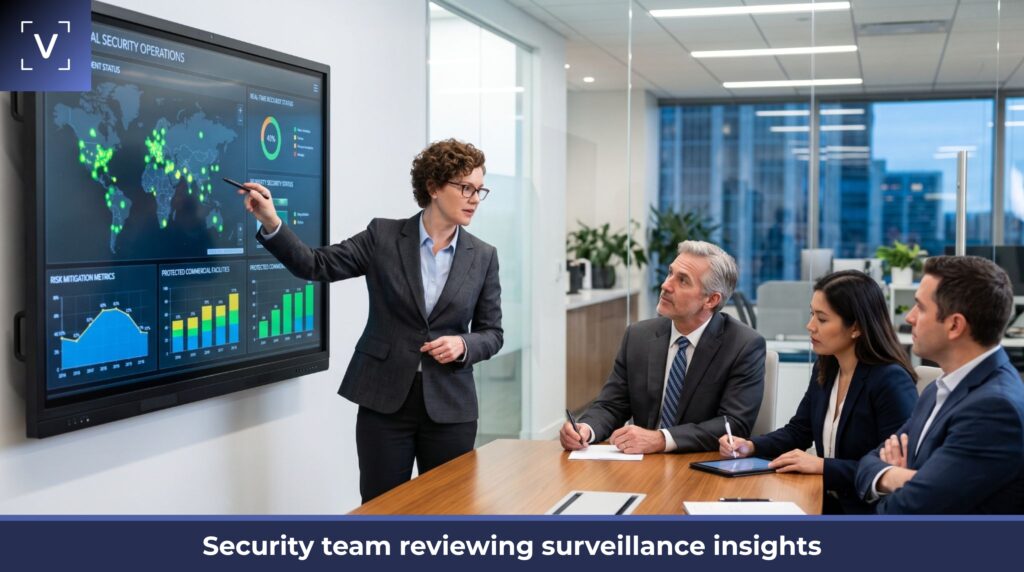
Even a single surveillance gap can result in significant business losses.
Common consequences include:
By reducing blind spots with security surveillance cameras, AI surveillance cameras, and video surveillance systems, businesses improve operational control while minimizing avoidable risks and financial losses.
Organizations continue investing in:
These technologies improve surveillance and monitoring, strengthen threat detection, and provide complete visibility across commercial facilities. As AI continues to evolve, eliminating blind spots will become a standard part of modern security operations.
Security blind spots remain one of the biggest risks for modern businesses. By combining security surveillance cameras, video surveillance systems, AI surveillance cameras, and CCTV monitoring services, organizations can improve visibility, reduce risks, and respond faster to security threats.
As businesses continue evolving in 2026, eliminating surveillance blind spots is becoming essential for protecting people, assets, and daily operations.