


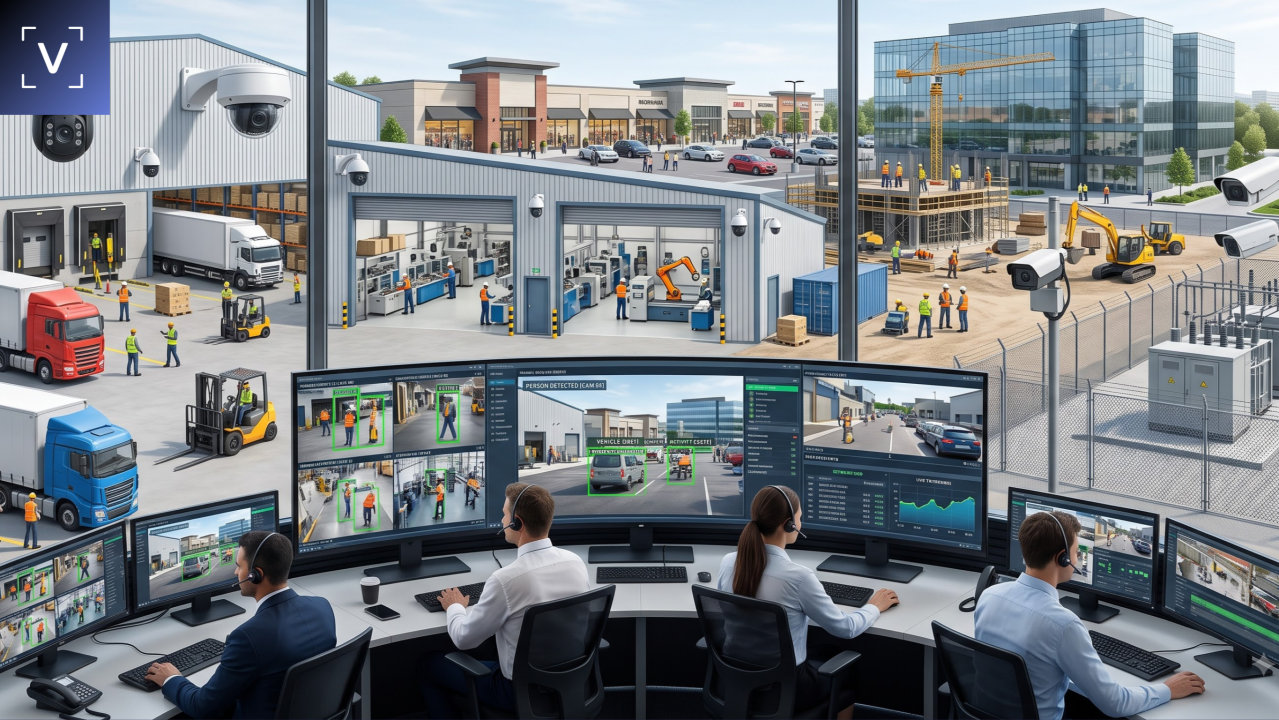
In 2026, AI video analytics is transforming how organizations use security surveillance cameras and video surveillance systems. Instead of relying only on recorded footage, businesses can analyze live video, identify unusual activity, generate real-time alerts, and improve situational awareness. From warehouses and manufacturing plants to retail stores and critical infrastructure, AI-powered monitoring is helping organizations improve security, safety, and operational efficiency.
The technology can detect events such as unauthorized access, perimeter breaches, suspicious behavior, safety violations, and unusual movement. When combined with CCTV monitoring services and remote video monitoring, AI video analytics allows organizations to respond to potential risks faster while reducing dependence on continuous manual camera observation.
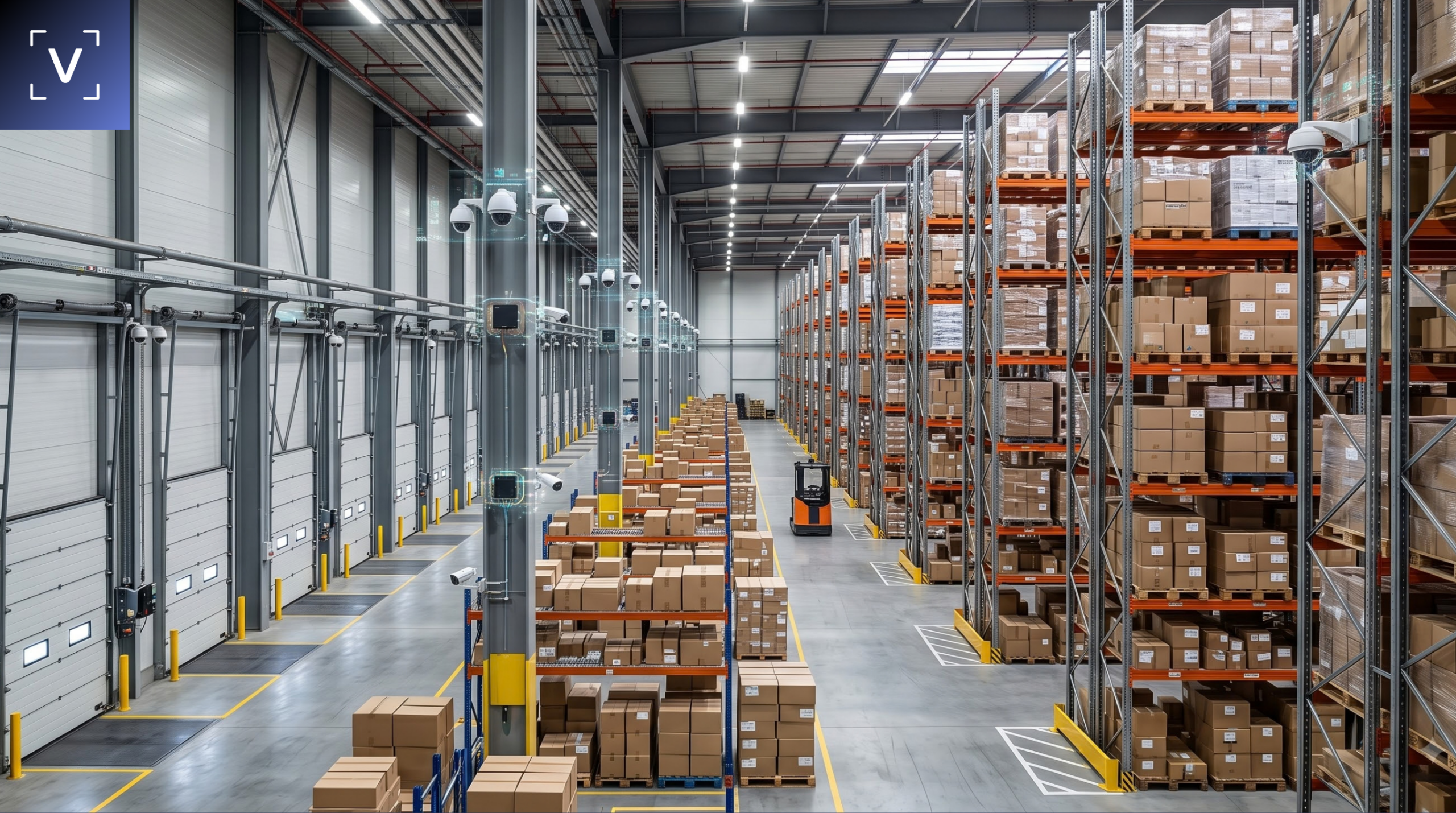
Warehouses and distribution centers handle large volumes of inventory, vehicles, and employees every day. AI video analytics can monitor loading docks, storage areas, vehicle yards, and restricted zones.
It can help identify:
For logistics companies, this improves shipment protection while providing better visibility across busy facilities.
Manufacturing plants contain machinery, production lines, employees, and restricted operational areas. AI surveillance cameras can monitor workplace activity and identify potential safety risks.
AI video analytics can detect unsafe behavior, restricted-area entry, missing protective equipment, and unusual movement around machinery. This helps manufacturers improve employee safety while reducing operational disruptions.
Retail businesses face challenges such as shoplifting, organized theft, unauthorized access, and customer safety incidents. AI-powered video surveillance can analyze activity across sales floors, entrances, checkout areas, and stockrooms.
By identifying suspicious behavior and unusual movement patterns, AI can help retail security teams focus attention on potential incidents instead of manually reviewing hours of footage.
Office buildings, business parks, and mixed-use properties often contain multiple entrances, parking areas, common spaces, and tenant facilities.
AI video analytics can monitor these areas for unauthorized access, suspicious activity, parking incidents, and after-hours movement. Property managers gain greater visibility across their facilities while improving tenant and visitor safety.
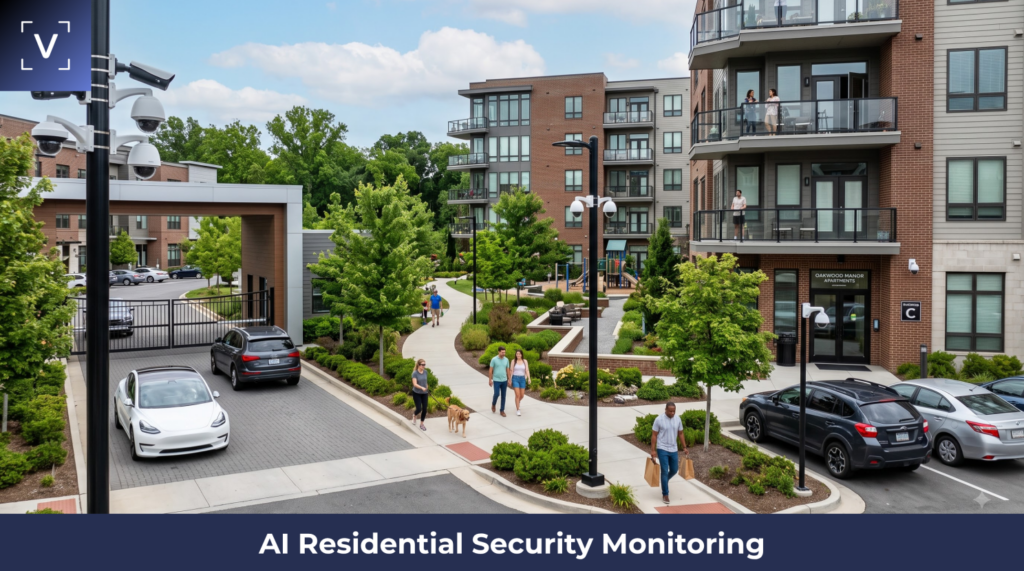
Apartment complexes and residential communities need to protect residents, visitors, vehicles, and shared facilities. AI surveillance systems can monitor entrances, parking lots, walkways, recreational areas, and other common spaces.
AI can identify unauthorized entry, suspicious loitering, vehicle activity, and unusual after-hours behavior. Combined with CCTV monitoring services, this can provide residents and property managers with more responsive security coverage.
Construction sites often contain expensive equipment, materials, temporary structures, and areas with restricted access. Because many sites are active for extended hours with limited personnel during certain periods, security blind spots can create significant risks.
AI surveillance cameras can detect perimeter breaches, unauthorized entry, equipment-area activity, and after-hours movement. This helps construction companies protect assets while improving site visibility.
Hospitals and healthcare facilities require continuous monitoring across entrances, parking areas, corridors, emergency departments, and restricted zones.
AI video analytics can help identify unauthorized access, unusual movement, crowding, and activity in controlled areas. This supports security teams while helping maintain a safer environment for patients, visitors, and staff.
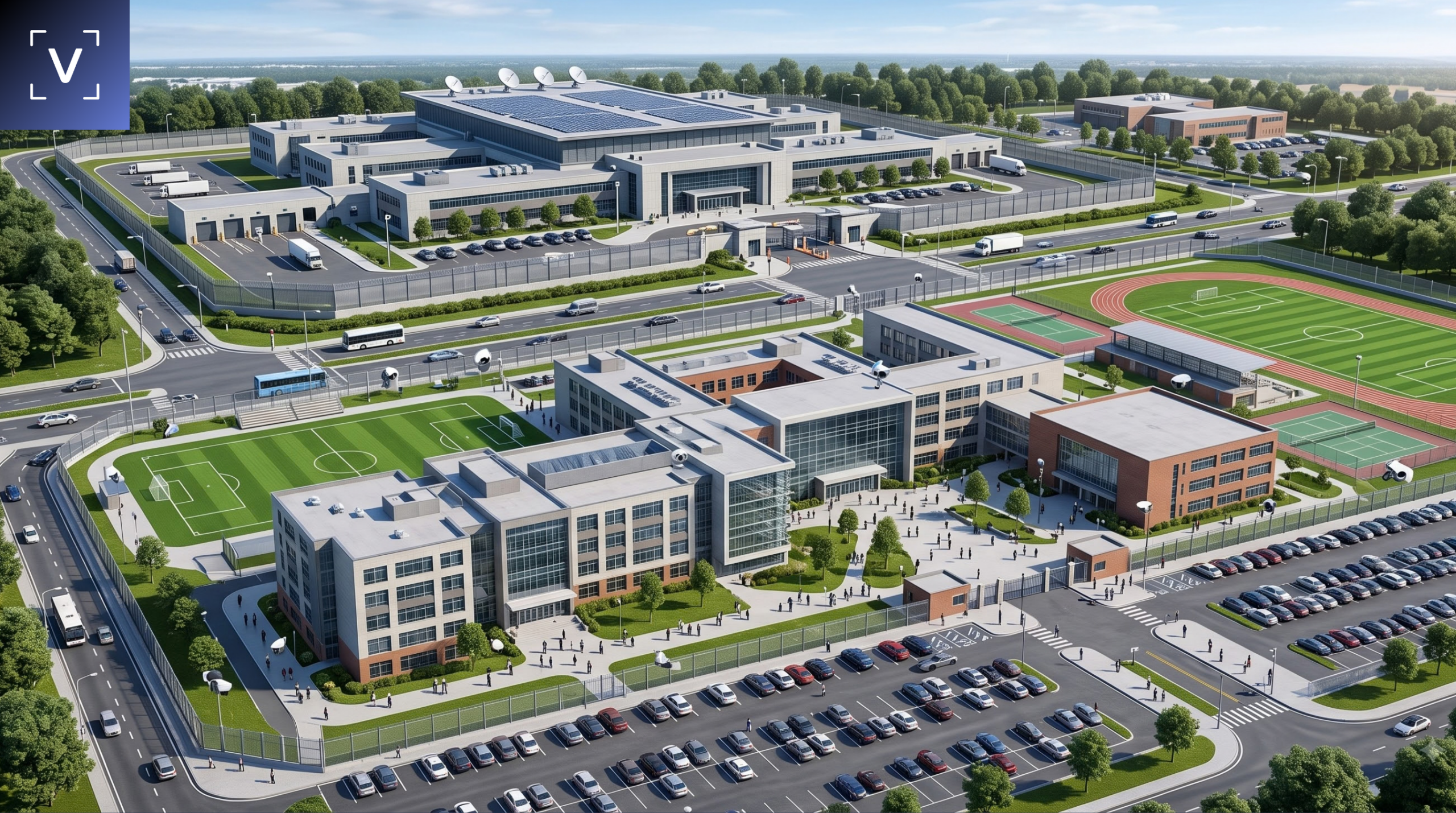
Schools, colleges, and universities manage large campuses with multiple buildings, entrances, parking areas, and common spaces. AI-powered video surveillance can help monitor these environments continuously.
AI systems can identify unauthorized entry, perimeter activity, restricted-area access, and unusual behavior, giving security teams faster awareness of potential incidents.
Hotels and resorts need to protect guests while maintaining smooth operations across lobbies, parking facilities, entrances, corridors, and service areas.
AI video analytics can identify unusual activity, unauthorized access, and potential safety concerns while providing security teams with better visibility across large properties.
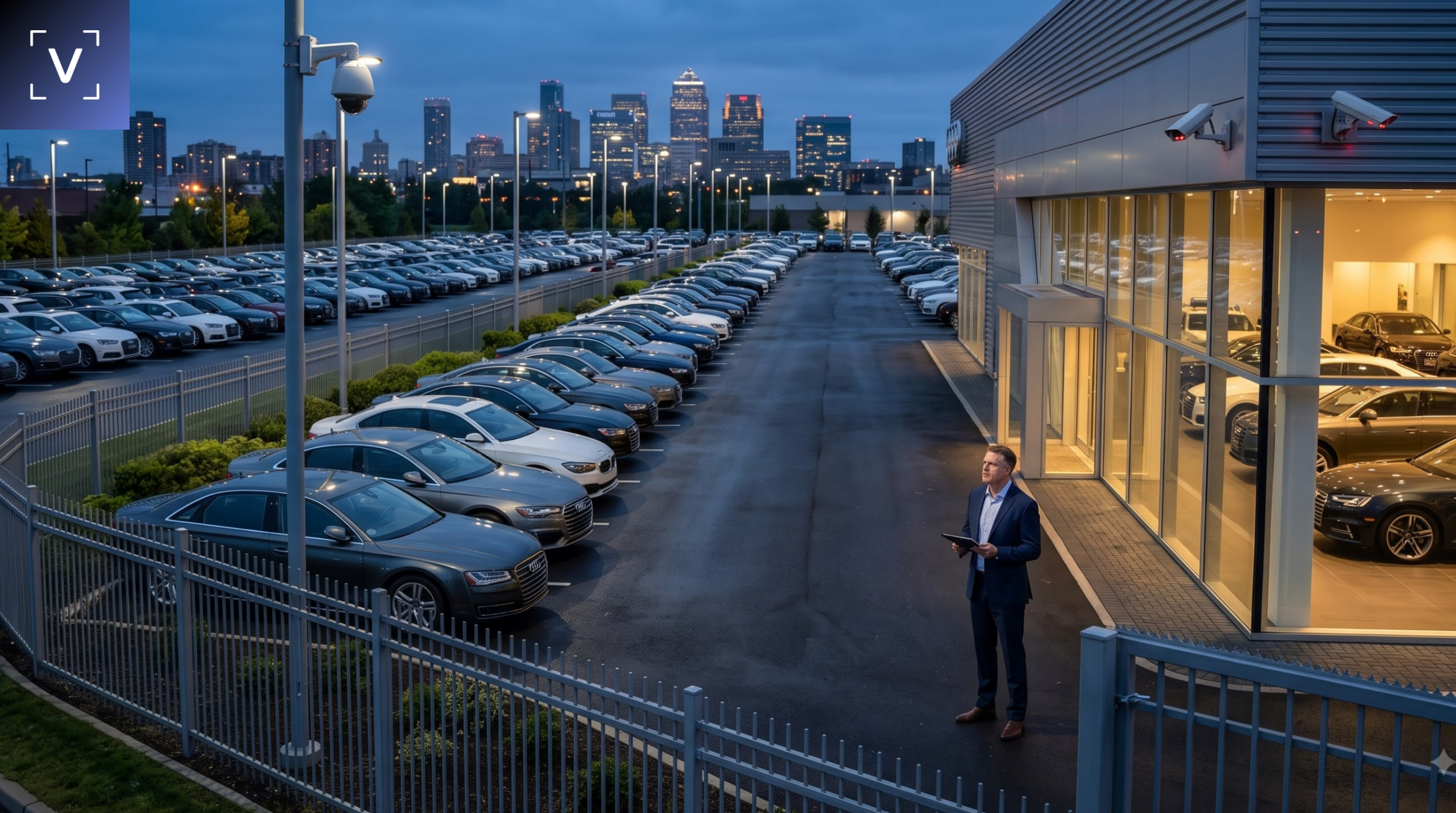
Banks and financial institutions require strong security across branches, ATMs, parking areas, entrances, and restricted operational zones. AI video analytics can help identify suspicious activity, unauthorized access, loitering, and unusual movement around sensitive areas.
By combining AI surveillance cameras with real-time monitoring, security teams can receive faster alerts and investigate potential incidents more efficiently. This strengthens physical security while supporting better incident documentation.
Oil and gas facilities often operate across large sites with valuable equipment, restricted zones, and challenging environments. Monitoring every area manually can be difficult, particularly across remote or continuously operating facilities.
AI-powered video surveillance can detect perimeter breaches, unauthorized entry, unusual activity, and movement around restricted equipment. Remote video monitoring can then help security teams verify alerts and respond quickly.
Critical infrastructure facilities such as utilities, transportation sites, and other essential operations require continuous protection against unauthorized access and security threats.
AI video analytics can monitor large perimeters, entrances, restricted areas, and operational zones. Automated alerts help security teams identify potential threats earlier and maintain greater visibility across critical facilities.
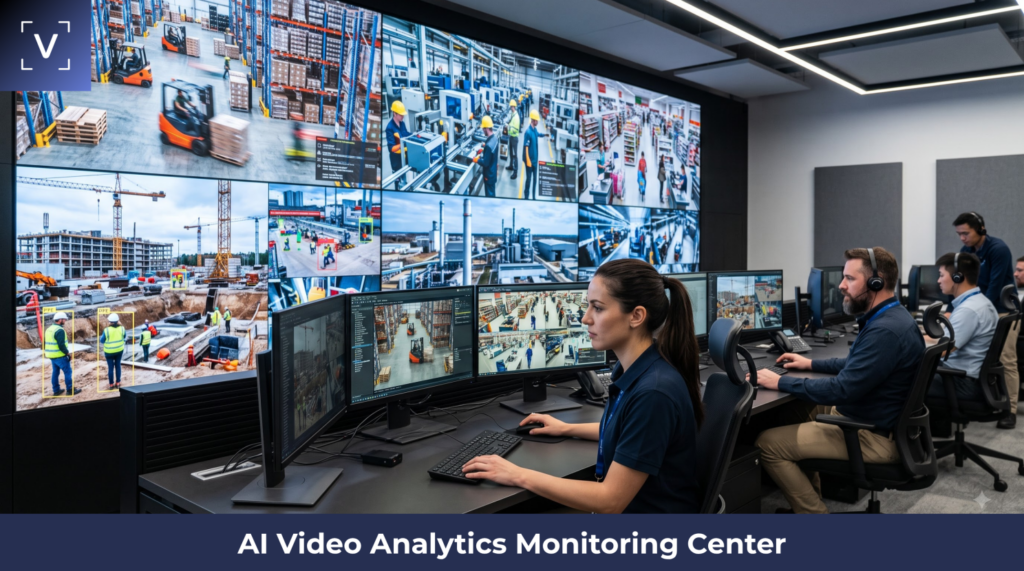
Consider a logistics company operating multiple distribution facilities across different locations. Each site has hundreds of cameras covering warehouses, parking areas, loading docks, and restricted zones.
Instead of requiring security personnel to continuously watch every camera, AI video analytics can identify specific events such as unauthorized entry, suspicious activity, or restricted-area movement. CCTV monitoring services can then verify important alerts and coordinate an appropriate response.
This combination of automated detection and human oversight allows organizations to scale security coverage while maintaining faster awareness of potential incidents.
AI video analytics is moving beyond traditional security surveillance and becoming an important operational technology across industries. Organizations are increasingly combining AI surveillance cameras, video surveillance systems, remote video monitoring, and intelligent analytics to improve both security and operational visibility.
As AI capabilities continue to develop, businesses will be able to analyze more complex patterns and respond to risks earlier. This will make intelligent surveillance increasingly valuable across facilities of different sizes and operating environments.
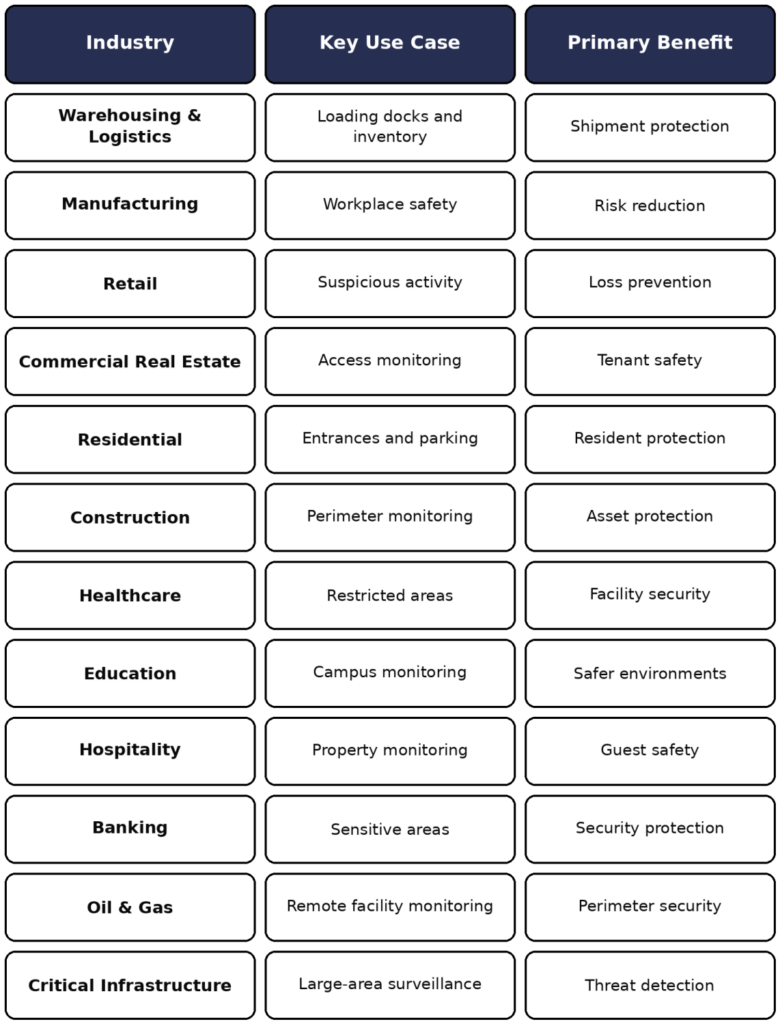
AI video analytics is helping organizations across 12 major industries move from passive video recording toward proactive security and monitoring. Whether protecting inventory in logistics, improving safety in manufacturing, monitoring tenants in commercial properties, or securing critical infrastructure, AI-powered surveillance provides greater visibility and faster threat detection.
For organizations looking to strengthen security in 2026, combining AI surveillance cameras, video surveillance systems, AI video analytics, and CCTV monitoring services can provide a more intelligent and responsive approach to protecting people, assets, and operations.