



Data centers have become some of the most security-sensitive facilities in the modern digital economy. They protect servers, networking equipment, customer infrastructure, and systems that businesses depend on 24/7. As facilities expand, security teams must monitor entrances, server halls, loading areas, perimeter zones, and restricted spaces without creating gaps in coverage. Recent industry research highlights the growing role of AI, video analytics, access control, and integrated security systems in protecting data center environments.
Traditional security surveillance cameras and video surveillance systems remain important, but simply recording activity is no longer enough. Intelligent video surveillance can analyze activity in real time, identify unusual events, and help security teams focus on situations that actually require attention. This makes AI video analytics an increasingly valuable layer of modern data center security.
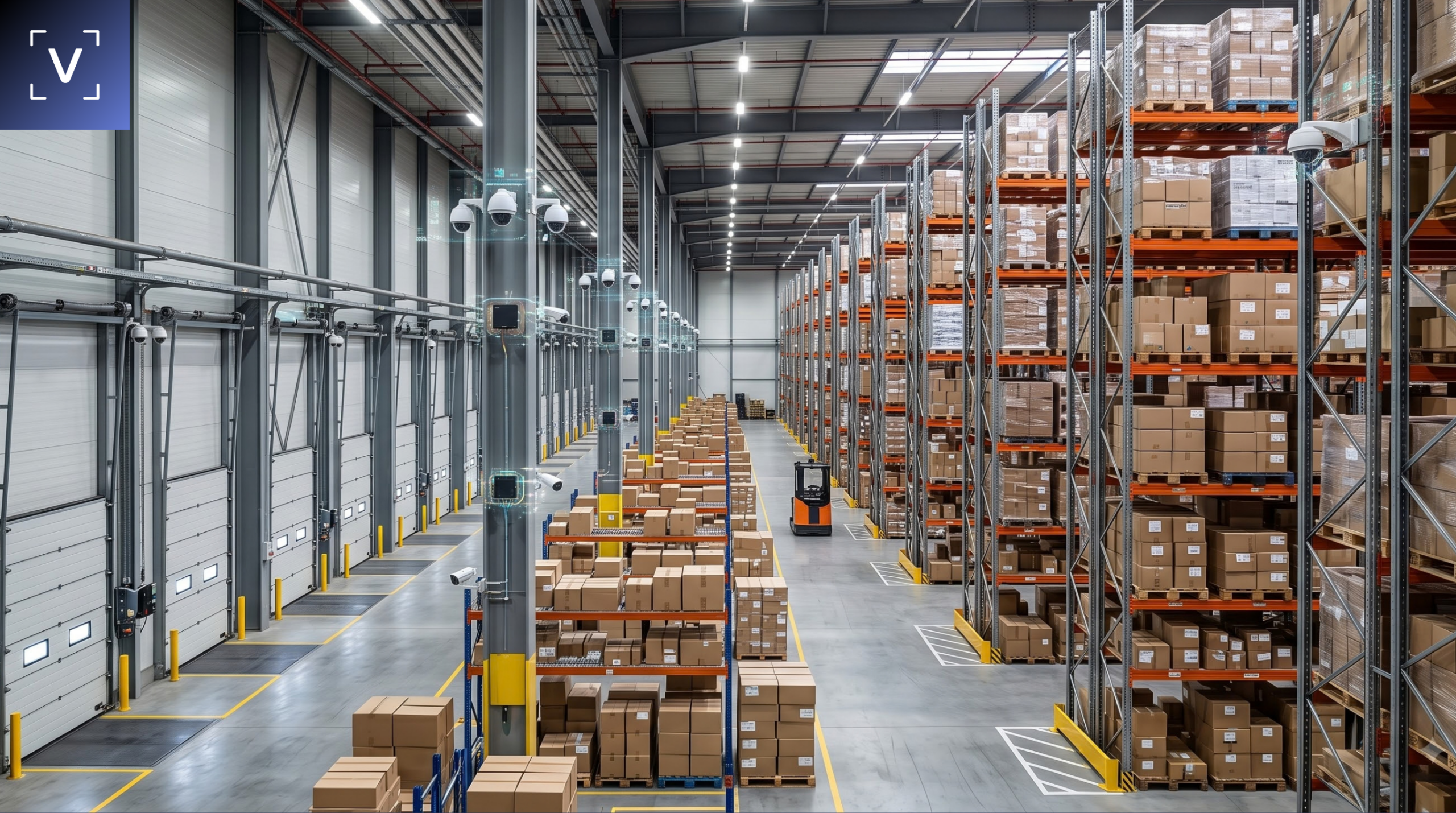
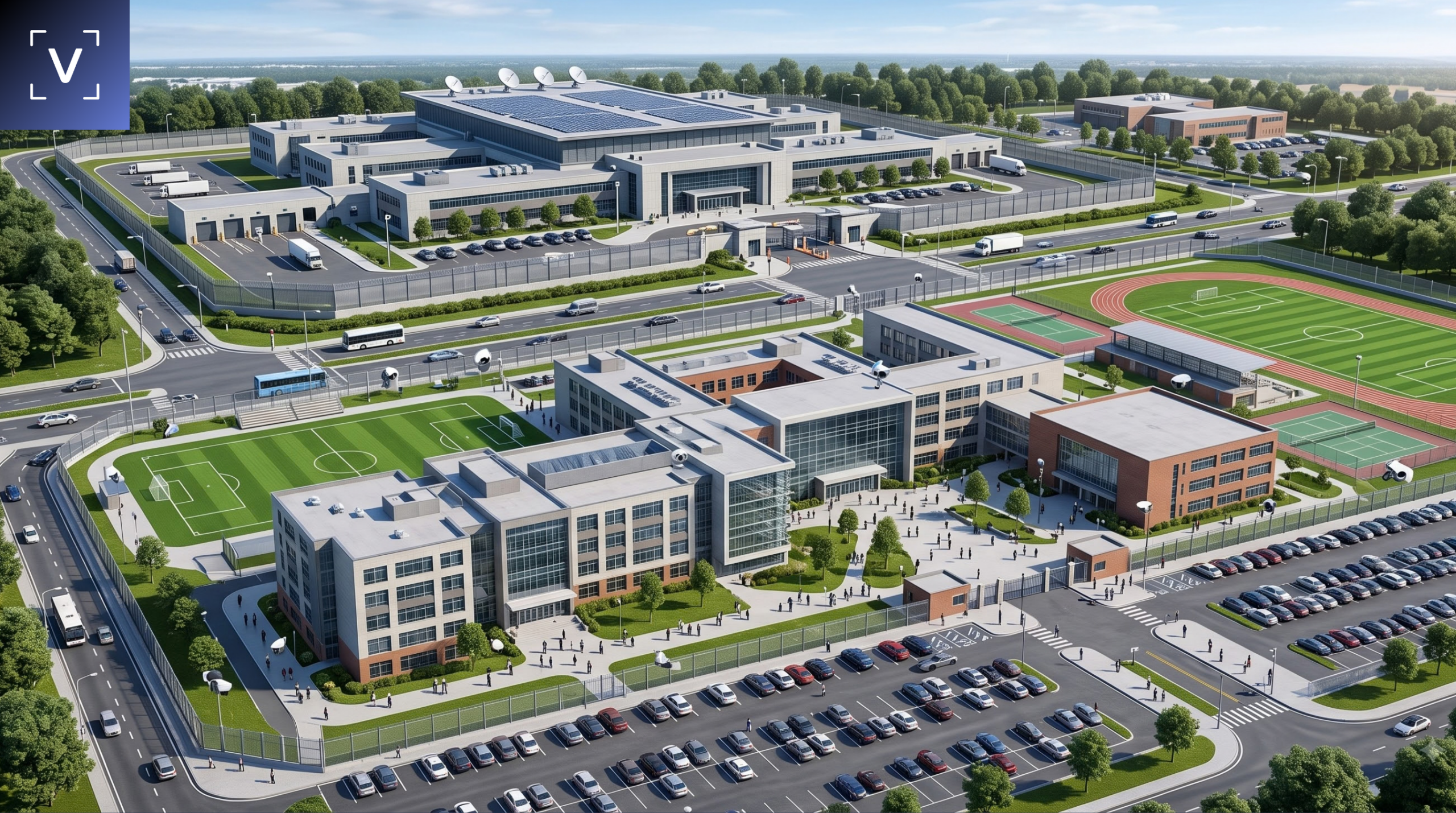
A typical data center may have multiple security layers, including controlled entrances, perimeter fencing, access-controlled doors, server rooms, equipment cages, loading docks, and contractor areas. As facilities grow larger, the amount of video generated can quickly become difficult for security personnel to monitor manually.
Industry sources note that modern data centers are increasingly dealing with more entrances, contractors, tenant boundaries, construction activity, and restricted zones, creating more physical-security events for teams to manage.
Traditional CCTV surveillance can record these activities, but operators may need to continuously watch numerous camera feeds or search hours of footage after an incident.
Intelligent video surveillance adds AI-powered analysis to existing security surveillance cameras. Instead of treating every frame of video equally, AI video analytics can identify predefined events and bring important activity to the attention of security personnel.
For example, AI can help detect:
This approach helps transform surveillance from passive recording into proactive monitoring. Recent 2026 industry coverage specifically highlights AI-enabled physical security as a way to convert video and sensor information into structured events that security and operations teams can investigate.

Not every area inside a data center carries the same level of risk. Server halls, network rooms, electrical infrastructure, backup power systems, loading areas, and restricted equipment zones may require different monitoring rules.
AI video analytics can help security teams prioritize these critical areas. For example, movement inside a restricted server area during an unexpected time period could generate an alert for investigation.
Video surveillance can also complement access-control records. If an access credential is used to enter a restricted zone, associated camera footage can provide additional visual context about what happened.
Data centers cannot depend entirely on business-hour security coverage. Their infrastructure operates continuously, which means physical security must also remain active around the clock.
AI surveillance cameras can continuously analyze monitored areas and flag events that meet predefined rules. Remote video monitoring teams can then verify important alerts and escalate genuine incidents.
This combination is particularly useful when a facility has hundreds of cameras. Rather than expecting operators to watch every feed continuously, intelligent systems can help reduce the volume of routine video that requires human attention. Current industry research also identifies reducing operator workload and improving response efficiency as key areas for AI integration in video surveillance.
Consider a large data center operating 24/7 with hundreds of security surveillance cameras covering its perimeter, entrances, loading docks, equipment areas, and server halls.
At 2:15 AM, an individual enters a restricted corridor outside a critical equipment area. Their access credential may appear valid, but the person is moving through a zone where access is unusual at that time.
With traditional CCTV surveillance, the event may simply be recorded for later investigation.
With intelligent video surveillance, the system can identify the movement, trigger an alert, and connect the event with access-control information. A security team or remote video monitoring operator can then review the live footage and determine whether the activity is legitimate.
This creates a much more proactive security process. Instead of discovering the event hours later, security personnel can investigate it while it is happening.

The goal is not to remove human security personnel. Instead, AI video analytics helps them concentrate on the events that deserve attention. Industry guidance increasingly describes this combination of access control, video surveillance, monitoring, and procedures as a layered approach to data center security.
Data center security is not only about preventing unauthorized access. Security teams also need to understand who accessed an area, when they accessed it, and what happened around that event.
Modern video surveillance systems can provide visual evidence that complements access logs. This becomes particularly valuable during incident investigations, audits and compliance reviews. NIST-related guidance also emphasizes monitoring physical access and reviewing physical-access information as part of security controls.
When video, access-control events, and incident records are connected, investigations can become faster and more structured.
For data center operators, intelligent video surveillance can deliver several practical benefits:

As data centers continue expanding, physical environments are becoming more complex. More entrances, contractors, equipment zones, loading areas, and restricted spaces can create more events for security teams to manage.
That makes intelligent surveillance increasingly important.
The future is not simply about installing more security surveillance cameras. It is about connecting AI video analytics, access control, remote video monitoring, and security operations so that teams can detect, verify, and respond to important events more efficiently.
Data centers protect some of the most critical digital infrastructure in the modern economy. Recording video is essential, but recording alone does not provide the visibility needed for increasingly complex facilities.
Intelligent video surveillance adds another layer by analyzing activity, prioritizing important events, supporting faster investigations, and helping security teams maintain visibility across the facility.
For data centers operating 24/7, combining AI surveillance cameras with video monitoring systems and access-control processes can turn surveillance from a passive recording tool into a proactive security operation.